Indoor vine plants bring life to vertical spaces most homeowners overlook. Whether cascading from a bookshelf, climbing a trellis, or draping over a planter, vining house plants add dimension and greenery without hogging floor space. They’re forgiving, low-maintenance, and visually striking, making them ideal for both seasoned plant enthusiasts and first-timers who want impact without complexity. This guide covers the best vine indoor plants, how to display them effectively, and the care basics that keep them thriving year-round.
Table of Contents
ToggleKey Takeaways
- Indoor vine plants are space-efficient solutions that fill vertical emptiness and add greenery without requiring floor space, making them ideal for transforming overlooked areas like shelves, walls, and corners.
- Pothos and philodendron are the best beginner-friendly vine plants for indoor environments, tolerating low light, irregular watering, and neglect while growing quickly with minimal care requirements.
- Vine plants improve indoor air quality by absorbing volatile organic compounds and releasing oxygen, providing a measurable environmental benefit alongside their aesthetic appeal.
- Display vine plants using hanging planters, shelf styling, trellises, wall-mounted arrangements, or corner installations to maximize visual impact and suit your home’s design preferences.
- Proper care for indoor vine plants involves watering when the top 2 inches of soil are dry, providing indirect light, using well-draining potting soil, and pruning regularly to encourage bushier growth and manageable vine length.
- Both pothos and philodendron are toxic to cats and dogs, so placement in pet-safe areas is essential to prevent ingestion and digestive upset.
Why Indoor Vine Plants Are Perfect for Every Home
Vine house plants solve a common decorating problem: vertical emptiness. Most homes have plenty of horizontal surfaces filled with furniture, but walls, corners, and upper shelves often sit bare. Viney house plants fill that gap naturally, adding texture and movement where traditional potted plants can’t reach.
From a practical standpoint, trailing plants are space-efficient. A single pothos or philodendron in a 6-inch pot can produce vines stretching 10+ feet with minimal care. That footprint-to-coverage ratio beats nearly any other houseplant category.
They also adapt to a range of light conditions. While direct sun can scorch delicate leaves, most indoor vine plants tolerate low to medium indirect light, making them viable for north-facing rooms, hallways, or bathrooms with small windows. This flexibility is why vining house plants appear in so many indoor spaces, they work where other plants struggle.
Another advantage: air quality. Like most foliage plants, vines contribute to indoor air filtration by absorbing VOCs (volatile organic compounds) and releasing oxygen. While the effect isn’t dramatic enough to replace mechanical ventilation, it’s a measurable benefit when you’re filling a room with greenery.
Finally, they’re beginner-friendly. Most popular vine indoor plants tolerate irregular watering, occasional neglect, and inconsistent humidity, traits that make them forgiving for anyone still learning plant care basics.
Best Indoor Vine Plants for Beginners
Pothos: The Indestructible Trailing Plant
Pothos (Epipremnum aureum) tops nearly every “easiest houseplant” list for good reason. It tolerates low light, survives missed waterings, and bounces back from neglect faster than most plants.
Pothos vines grow quickly, expect 6 to 12 inches of new growth per month during the growing season (spring through summer). The heart-shaped leaves come in several varieties: Golden Pothos (green with yellow variegation), Marble Queen (white and green), and Neon Pothos (chartreuse).
Care is straightforward. Water when the top 2 inches of soil feel dry to the touch. Pothos prefers indirect light but tolerates fluorescent office lighting or dim corners. If leaves start yellowing, you’re likely overwatering: if they droop dramatically, it needs a drink.
Pothos is also forgiving when it comes to propagation. Snip a stem just below a node (the bumpy section where leaves emerge), place it in water, and roots appear within 7 to 10 days. This makes it easy to fill multiple spots in your home from a single plant.
Safety note: Pothos is toxic to cats and dogs if ingested, causing mouth irritation and digestive upset. Keep it out of reach if you have curious pets.
Philodendron: Classic Vines for Any Room
Philodendron species offer similar ease but with slightly different aesthetics. Heartleaf Philodendron (Philodendron hederaceum) looks nearly identical to pothos at first glance but has thinner, more delicate leaves.
Brasil Philodendron adds a splash of lime-green variegation down the center of each leaf, creating a bold contrast in any room. Like pothos, philodendrons thrive in indirect light and prefer to dry out slightly between waterings.
One difference: philodendrons tend to grow slightly slower than pothos, making them easier to manage if you’re concerned about vines overtaking a space. They’re also among the easiest indoor vine plants to keep alive, even for complete beginners.
Philodendrons root easily from cuttings and tolerate a range of humidity levels, though they appreciate occasional misting if your home runs dry in winter. Fertilize monthly during the growing season with a balanced 10-10-10 liquid fertilizer diluted to half strength.
Like pothos, philodendrons are toxic to pets. The calcium oxalate crystals in the leaves cause irritation if chewed, so placement matters if you have animals.
Creative Ways to Display Indoor Vines
How you display vine plants indoor changes the look and function of a room. Here are proven methods that work in most homes.
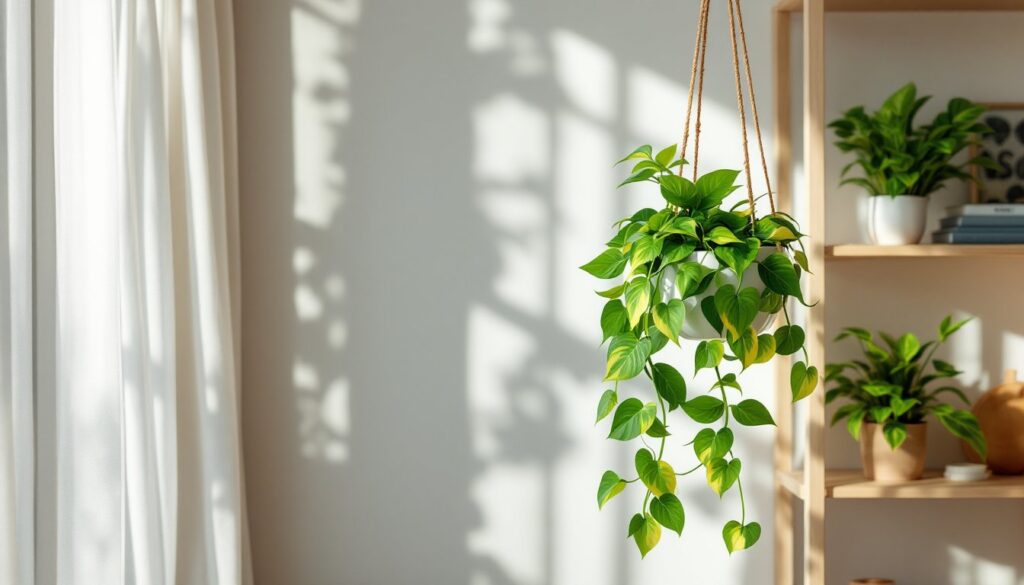
Hanging planters are the classic choice. Use macramé hangers, ceiling hooks rated for at least 10 pounds, or wall-mounted brackets. Position them near windows for light, but avoid direct sun unless the plant specifically tolerates it. Pothos and philodendron vines will cascade naturally, creating a waterfall effect.
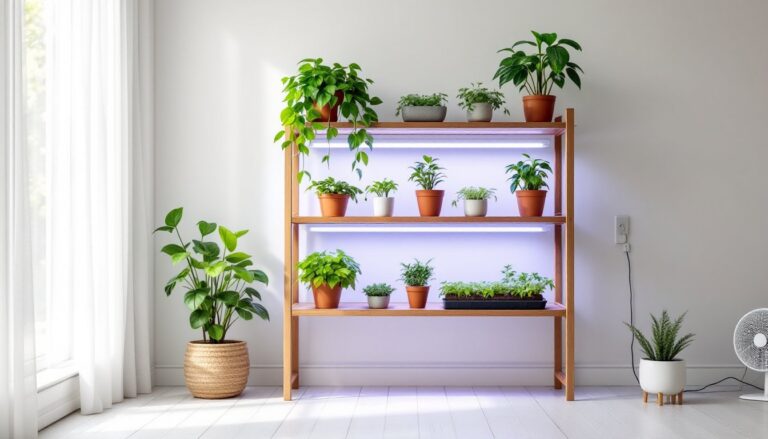
Shelf styling works well in living rooms or offices. Place a potted vine at one end of a bookshelf and let it trail across the shelf length or drape down the front. This adds greenery without sacrificing shelf space for books or decor.
Trellises and moss poles encourage upward growth. If you prefer a vertical look over trailing vines, stake a coco coir pole or wooden trellis into the pot. Gently secure vines with soft plant ties or green floral wire. As the plant grows, aerial roots will cling to the support.
Wall-mounted planters create living art. Install 1 to 3 planters vertically on an accent wall, spacing them 12 to 18 inches apart. This arrangement mimics styling ideas used in modern interiors, where vines become the focal point rather than an afterthought.
Corner fill-ins make use of dead space. A tall plant stand in a corner with a trailing vine softens hard angles and adds depth without blocking walkways.
Whatever display method you choose, ensure the pot has drainage holes and a saucer to catch excess water. Hanging planters without drainage lead to root rot, which kills vines faster than underwatering.
Essential Care Tips for Thriving Indoor Vines
Keeping vine indoor plants healthy doesn’t require a green thumb, but a few basics make the difference between survival and lush growth.
Watering frequency depends on pot size, soil type, and room humidity. Stick your finger 2 inches into the soil: if it’s dry, water thoroughly until water drains from the bottom. In winter, most vining house plants need less frequent watering, sometimes half as often as summer.
Light matters more than most beginners expect. While pothos and philodendron tolerate low light, they grow faster and develop better color in medium to bright indirect light. Place them within 3 to 5 feet of an east or north-facing window for best results. South or west windows work if you filter the light with a sheer curtain.
Soil and potting should prioritize drainage. Use a well-draining potting mix, standard houseplant soil works, but adding 20% perlite improves aeration and prevents compaction. Repot every 12 to 18 months or when roots circle the pot’s bottom.
Fertilizing boosts growth but isn’t mandatory. During spring and summer, apply a balanced liquid fertilizer (10-10-10 or 20-20-20) at half strength once a month. Skip fertilizer in fall and winter when growth slows.
Pruning keeps vines manageable and encourages bushier growth. Use clean pruning shears or scissors to trim leggy vines just above a node. Save the cuttings for propagation.
Pest watch: Spider mites and mealybugs occasionally target indoor vines, especially in dry conditions. Wipe leaves with a damp cloth monthly to remove dust and spot pests early. If you see webbing or white cottony clusters, treat with insecticidal soap or neem oil.
Humidity helps but isn’t critical. Most viney house plants tolerate average home humidity (40 to 50%). If leaf tips brown or edges curl, mist weekly or place a shallow tray of water with pebbles beneath the pot to increase local humidity.
Many home improvement enthusiasts turn to resources like The Spruce for ongoing plant care troubleshooting and seasonal adjustments.
Safety gear: When handling plants, wear gloves if you have sensitive skin, especially when pruning or repotting. Some vines produce sap that can irritate skin on contact.
Conclusion
Indoor vine plants deliver visual impact with minimal effort, making them a smart choice for any home. Start with pothos or philodendron if you’re new to plants, experiment with display methods that suit your space, and stick to the basics: water when dry, provide indirect light, and prune as needed. The payoff is lush, trailing greenery that transforms empty corners, shelves, and walls into living focal points.