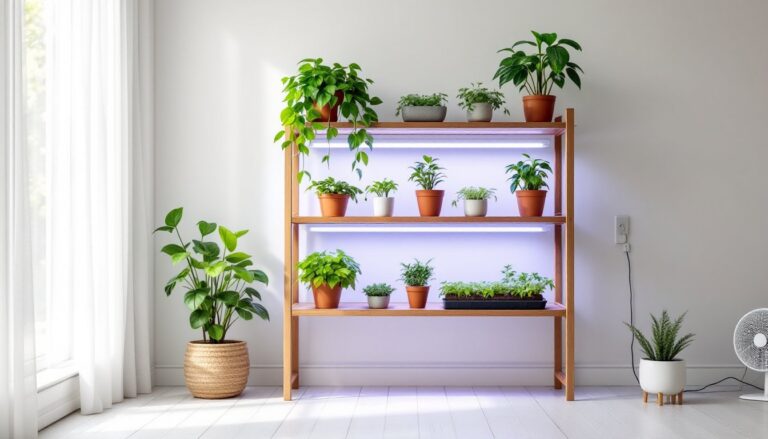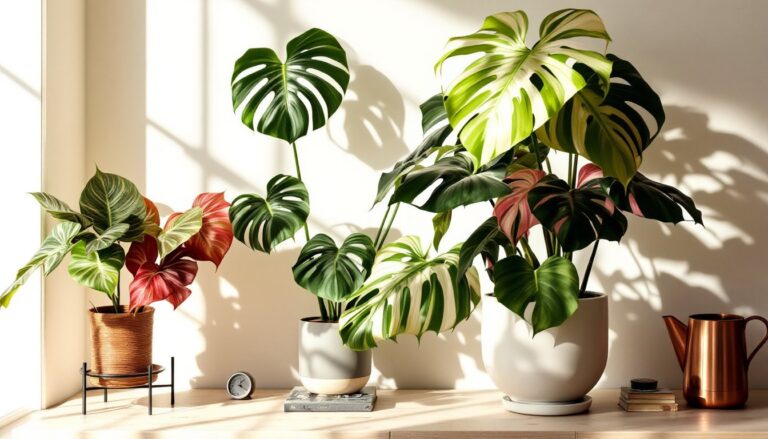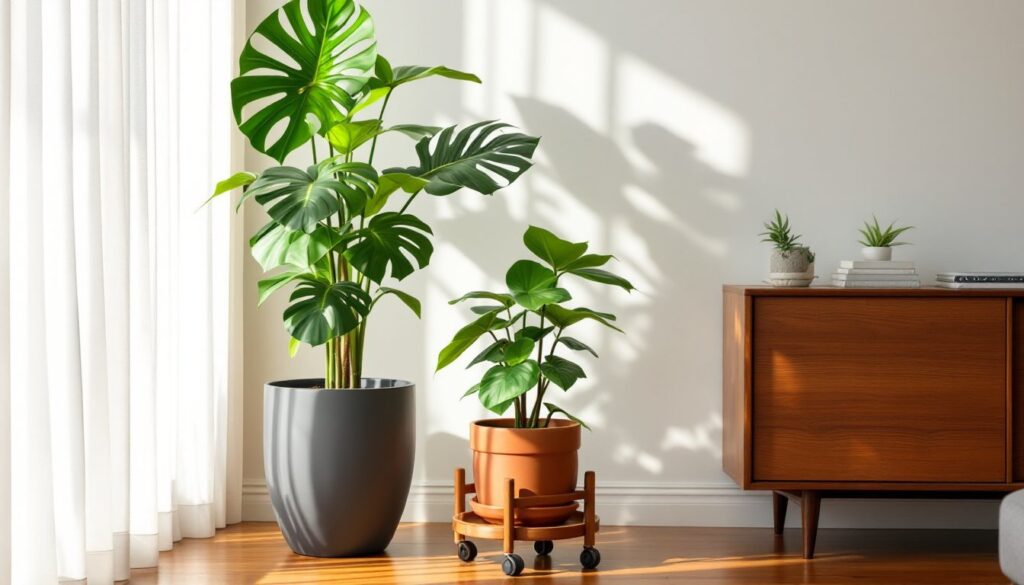
Large indoor pots change the game for serious plant collectors and anyone looking to make a statement with their greenery. A 16-inch pot hits the sweet spot, big enough for mature plants and dramatic foliage, but still manageable to move when needed. These aren’t your standard 6-inch nursery pots: they’re substantial planters that anchor a room, support significant root systems, and allow plants to reach their full potential indoors. Whether upgrading a root-bound fiddle leaf fig or starting a new monstera, understanding how to choose and use large planters properly makes the difference between thriving plants and expensive mistakes.
Table of Contents
ToggleKey Takeaways
- 16 inch pots hold 4–6 gallons of soil and reduce watering frequency to every 7–10 days, making them ideal for busy plant owners seeking low-maintenance care.
- Fiddle leaf figs, monsteras, rubber plants, and large palms thrive in 16 inch pots because they develop extensive root systems and reach significant heights indoors.
- Choose between ceramic for moisture retention and aesthetic appeal, terracotta for breathability, or lightweight plastic and resin for easy mobility and affordability.
- Essential features include drainage holes, pot feet for airflow, minimal taper for maximum soil volume, and minimal interior diameter loss compared to stated pot size.
- Place large pots in corners or along furniture lines with bright, indirect light (100–400+ foot-candles), avoiding traffic paths, floor vents, and areas with weight distribution concerns.
- Protect finished floors with waterproof saucers or cork pads, especially with terracotta, and maintain access on at least one side for watering, pest inspection, and maintenance.
Why Choose 16 Inch Pots for Your Indoor Plants?
Sixteen-inch pots serve plants that have outgrown smaller containers or species that naturally develop extensive root systems. A pot this size typically holds 4-6 gallons of soil, providing enough volume for roots to spread without becoming pot-bound.
Large pots reduce watering frequency since more soil retains moisture longer. For busy homeowners, that means fewer trips with the watering can, sometimes extending intervals from twice weekly to every 7-10 days, depending on the plant and season.
These planters also provide stability for top-heavy plants. A mature rubber tree or tall snake plant can tip in an undersized pot, but a 16-inch planter with adequate soil weight keeps them anchored. The planter itself typically weighs 3-8 pounds empty (material dependent), and when filled with soil and a mature plant, total weight can reach 40-60 pounds. That’s enough to prevent tipping but still manageable with a furniture dolly or plant caddy.
From a design perspective, large pots make architectural statements. They fill floor space in corners, flank entryways, or define zones in open-concept rooms. They’re functional anchors that eliminate the cluttered look of multiple small pots scattered around.
Best Indoor Plants That Thrive in 16 Inch Pots
Not every houseplant needs this much real estate, but several species specifically benefit from the root room and soil volume a 16-inch pot provides.
Fiddle leaf figs (Ficus lyrata) are notorious for root sensitivity and rapid growth. Once they hit 4-5 feet tall, they need substantial pots to prevent root circling and support their heavy, broad leaves.
Monsteras (Monstera deliciosa) develop aerial roots and sprawling growth habits. A large pot accommodates both the root ball and a moss pole for vertical support, which many home improvement enthusiasts recommend for encouraging fenestrations (those signature leaf splits).
Bird of paradise (Strelitzia reginae and nicolai) grow dense root systems that quickly fill containers. They won’t bloom unless slightly root-bound, but they need enough volume to support 5-7 foot heights indoors without toppling.
Rubber plants (Ficus elastica) grow fast and heavy. A 16-inch pot supports specimens reaching 6-8 feet indoors while preventing the lean that happens in undersized planters.
Large palms, including parlor palms (Chamaedorea elegans), areca palms (Dypsis lutescens), and majesty palms (Ravenea rivularis), all need generous root space. These palms develop extensive root mats, and cramped conditions lead to yellowing fronds and stunted growth.
Dracaenas like Dracaena marginata and Dracaena fragrans develop woody stems and can reach ceiling height indoors given proper pot size. They’re forgiving plants, but adequate space prevents the need for frequent repotting as they mature.
Types of 16 Inch Planters: Materials and Styles
Material choice impacts weight, drainage, insulation, and aesthetics. Each option has trade-offs worth considering before purchasing.
Ceramic and Terracotta Options
Glazed ceramic pots offer the widest range of colors and finishes. They’re non-porous, so soil retains moisture longer, beneficial for thirsty plants but risky for species prone to root rot. A 16-inch glazed ceramic planter typically weighs 10-15 pounds empty and becomes difficult to move once filled. Always confirm the pot includes a drainage hole: some decorative ceramics don’t, requiring either drilling (with a masonry bit and steady hands) or using them as cache pots with a plastic liner inside.
Terracotta pots are porous, allowing air exchange through the walls and wicking moisture away from roots. That’s ideal for succulents, cacti, or any plant preferring drier conditions. The natural clay aesthetic complements modern interior design trends, though terracotta is brittle, dropping one means sweeping up shards. These pots also develop mineral deposits and patina over time, which some people love and others find messy.
Both ceramic and terracotta provide excellent insulation against temperature swings, protecting roots from drafts near windows or heating vents.
Plastic and Resin Planters
Plastic pots get unfairly dismissed as cheap-looking, but modern designs replicate stone, concrete, and ceramic convincingly. The practical advantages are significant: a 16-inch plastic planter weighs 2-4 pounds empty, making it easy to move for cleaning or rearranging. They’re also affordable, typically $15-40 compared to $60-150+ for ceramic equivalents.
Plastic retains moisture well, sometimes too well. Ensure the pot has multiple drainage holes, and consider adding extra holes with a drill and spade bit if drainage seems slow.
Resin planters (fiberglass or composite resin) split the difference between plastic and ceramic. They’re lightweight like plastic but thicker-walled with better insulation and a more substantial appearance. High-quality resin pots resist UV fading and cracking, though cheaper versions become brittle in cold temperatures. Expect to pay $40-80 for decent resin planters in this size.
Both plastic and resin work well indoors where aesthetics matter less than function, or when mobility is a priority, say, for plants that rotate between sunny windows seasonally.
Essential Features to Look for in Large Indoor Pots
Beyond material and appearance, specific features determine whether a 16-inch pot will serve you well over years of use.
Drainage holes are non-negotiable unless you’re using the planter as a decorative cache pot with a nursery pot inside. Without drainage, excess water pools at the bottom, creating anaerobic conditions that rot roots and breed fungus gnats. Even moisture-loving plants need drainage, you control watering frequency, not whether water can escape.
Some pots include attached saucers or built-in reservoirs. These catch runoff, protecting floors, but require regular emptying. Standing water in saucers invites pests and root problems, so treat saucers as temporary catch basins, not permanent features.
Pot feet or risers elevate the bottom slightly, improving airflow underneath and preventing water stains on hardwood or tile. Inexpensive pot feet (sold in sets of 3-4) work with any planter and make a noticeable difference on finished floors.
Weight becomes critical at this size. If you anticipate moving the plant regularly, for cleaning behind it, chasing sunlight, or rearranging furniture, consider a wheeled plant caddy. These support 100+ pounds and roll smoothly on carpet or hard floors. Locking wheels prevent unwanted movement.
Interior diameter matters more than the stated pot size. A “16-inch pot” refers to the diameter at the rim, but if the pot tapers significantly, the base might be only 12-13 inches wide, limiting actual soil volume. For large plants, look for pots with minimal taper, straighter sides mean more usable space for roots.
Finally, consider whether the pot includes a removable plug in the drainage hole. This allows using the pot with or without drainage depending on your setup, though most serious plant people prefer permanent drainage and separate saucers.
Where to Place 16 Inch Pots in Your Home
Large pots require planning since moving them after filling is heavy work. Consider light, traffic flow, and floor load before committing to a location.
Floor load isn’t usually an issue on ground-level concrete slabs, but upper floors with joist-supported subfloors have weight limits. A single 16-inch planted pot won’t cause problems, but clustering multiple large planters in one area (say, creating an indoor jungle in a corner) can stress floor framing. Residential floors typically support 40 pounds per square foot as a live load, but concentrated weight in small areas requires distribution. If concerned, place heavy pots over load-bearing walls or near where joists bear on foundation walls.
In living spaces designed for flexibility, large pots work best in corners or flanking furniture rather than in traffic paths. A 16-inch pot extends 8 inches from the wall in each direction, more with leafy plants, so maintain at least 18-24 inches of clearance for walking paths.
Lighting drives placement more than aesthetics. Most large indoor plants need bright, indirect light, which typically means within 3-5 feet of an unobstructed east or west window, or directly in front of a sheer-curtained south window. North windows rarely provide enough intensity for large, fast-growing tropicals.
Use a light meter or smartphone app measuring foot-candles if unsure. Most foliage plants need 100-200 foot-candles minimum, with 400+ for faster growth.
Consider access for watering and maintenance. Pots tucked into tight corners look great but become annoying when you need to inspect for pests, prune, or water thoroughly until runoff. Leave at least one side accessible, your future self will appreciate it when the plant needs repotting.
Protect finished floors with waterproof saucers or cork/felt pads. Terracotta and unglazed ceramic can leach minerals that stain wood and grout over time. Glazed ceramic and plastic are safer, but saucers still prevent the occasional overflow during enthusiastic watering.
Finally, think about HVAC placement. Avoid positioning pots directly over floor vents or registers, which blast hot or cold air onto foliage and dry out soil unevenly. Similarly, keep pots at least 2 feet from drafty exterior doors in winter to prevent temperature shock.