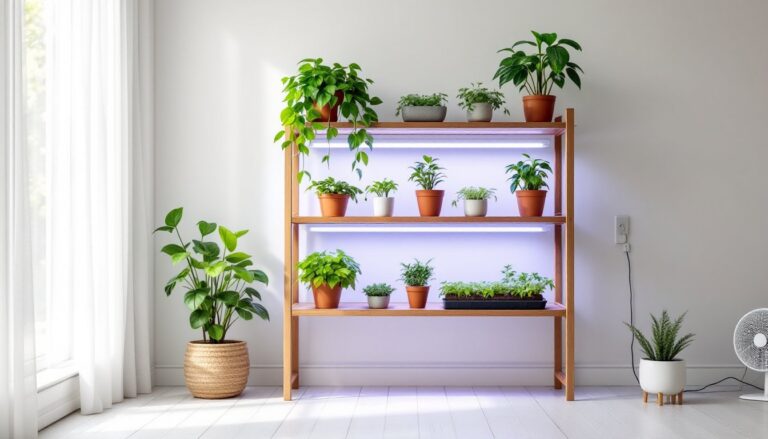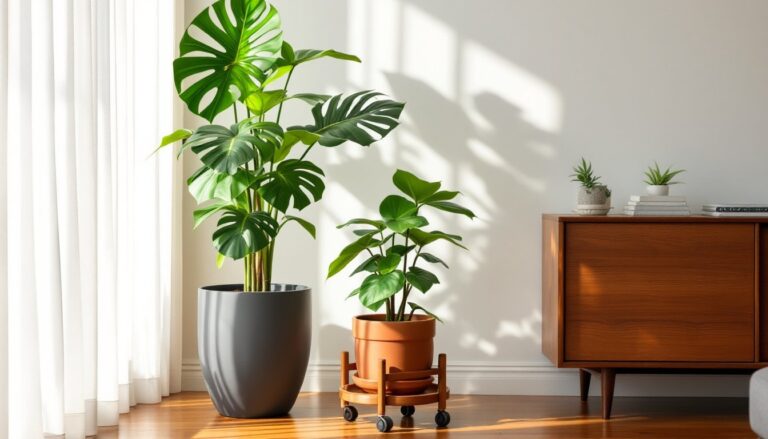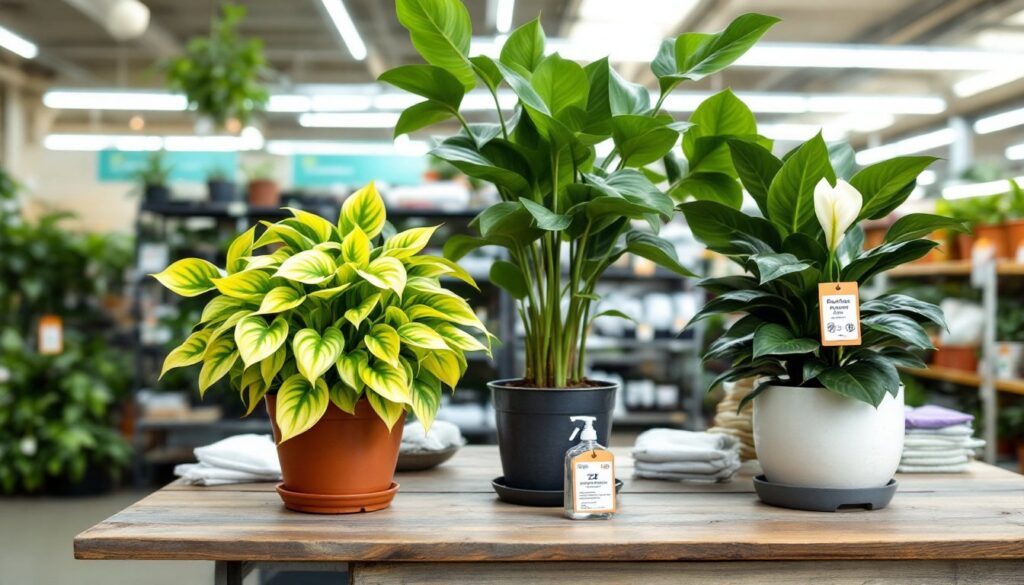
Lowe’s Garden Center has become one of the most reliable sources for indoor plants, whether you’re a first-time plant parent or adding to a thriving collection. The selection typically includes everything from forgiving pothos to finicky fiddle leaf figs, and the advantage is simple: you can inspect plants in person, check root health through drainage holes, and often find regional varieties already acclimated to local humidity and light conditions. This guide walks through what makes Lowe’s a solid choice for houseplants, which varieties offer the best value and performance, and how to avoid the most common purchasing and care mistakes that lead to brown leaves and disappointment.
Table of Contents
ToggleKey Takeaways
- Lowe’s plants indoor selection includes beginner-friendly varieties like pothos and snake plants priced between $8–$25, with the advantage of in-person inspection and a 90-day return policy for health defects.
- Match your plant to your home’s light conditions—south-facing windows suit bright-light plants, while north-facing windows limit you to low-light tolerant species like ZZ plants and pothos.
- The most common houseplant failure is overwatering; instead of following a rigid schedule, check soil moisture 2 inches deep and water only when dry to prevent root rot.
- Popular low-maintenance Lowe’s plants like snake plants, ZZ plants, and spider plants require minimal watering and survive neglect, making them ideal for busy plant parents.
- Always inspect root health before purchasing (roots should be white, not black or mushy), quarantine new plants for 2–3 weeks, and verify pet toxicity before bringing plants home.
- Proper care begins with a 1–2 week acclimation period after purchase, repotting only 1–2 inches larger when roots circle the pot, and using well-draining soil appropriate to each plant type.
Why Lowe’s Is a Go-To Destination for Indoor Plants
Lowe’s stocks a rotating inventory of indoor plants year-round, with peak selection arriving in spring and early summer. The Garden Center layout allows shoppers to assess plant health before purchase, look for firm stems, vibrant leaf color, and moist (not waterlogged) soil.
Most locations carry starter plants in 4-inch and 6-inch pots, mid-size specimens in 8-inch to 10-inch containers, and occasional statement plants in 12-inch or larger nursery pots. Pricing is generally transparent, with tags indicating botanical names, light requirements, and toxicity warnings for pets.
Staff knowledge varies by location, but the advantage over online ordering is immediate: you’re not dealing with shipping stress, bare-root transplants, or mystery damage. Many Lowe’s stores also stock potting mix, fertilizer, and humidity trays in the same aisle, which simplifies setup for beginners.
Another practical benefit is Lowe’s 90-day return policy on plants, though it’s worth noting this applies primarily to plant health defects, not neglect. Bring your receipt and photos if a plant declines quickly after purchase, it may indicate root rot or pest issues that were present at sale.
Best Low-Maintenance Indoor Plants at Lowe’s
If you’re looking for houseplants that tolerate irregular watering and inconsistent light, Lowe’s typically stocks several reliable varieties.
Pothos (Epipremnum aureum) is nearly indestructible. It thrives in low to bright indirect light, tolerates missed waterings, and propagates easily from stem cuttings. Look for varieties like Golden Pothos or Marble Queen, both handle neglect better than most foliage plants.
Snake plants (Sansevieria trifasciata) are another top choice. They’re drought-tolerant, survive low light, and only need watering every 2-3 weeks. The thick, upright leaves store moisture, making them ideal for forgetful waterers. The Laurentii variety (yellow-edged leaves) and Moonshine (silvery-green) are commonly available.
ZZ plants (Zamioculcas zamiifolia) have glossy, waxy leaves and rhizomes that store water underground. They tolerate low light and can go a month without water if needed. These are excellent for offices or north-facing rooms.
Spider plants (Chlorophytum comosum) produce arching foliage and baby plantlets (spiderettes) that dangle from runners. They’re forgiving with light and water, though they prefer consistent moisture during active growth. Brown leaf tips usually indicate fluoride or chlorine sensitivity, switch to distilled or filtered water.
All of these plants are typically priced between $8 and $25 depending on pot size, and they’ll outlive most impulse houseplant purchases with minimal care.
Popular Air-Purifying Plants Available at Lowe’s
NASA’s Clean Air Study from the late 1980s identified several houseplants that filter common indoor pollutants like formaldehyde, benzene, and trichloroethylene. While you’d need dozens of plants to meaningfully improve air quality in a typical home, these varieties do offer modest benefits alongside their aesthetic value.
Peace lilies (Spathiphyllum) are among the most effective air purifiers and one of the few flowering houseplants that tolerate low light. They prefer consistent moisture and will dramatically wilt when dry, then perk up within hours of watering. The white spathes (modified leaves, not true flowers) appear periodically under good conditions.
Dracaenas come in several forms at Lowe’s, including Dracaena marginata (dragon tree with spiky red-edged leaves) and Dracaena fragrans (corn plant with broad, arching foliage). Both are slow-growing and handle low to moderate light. Avoid overwatering, dracaenas are prone to root rot in soggy soil.
Rubber plants (Ficus elastica) feature thick, glossy leaves that can grow quite large indoors. They’re effective at filtering airborne toxins but need bright, indirect light and consistent watering. Wipe leaves with a damp cloth monthly to remove dust, which improves photosynthesis and keeps the plant looking sharp.
Boston ferns (Nephrolepis exaltata) are humidity-loving plants that excel in bathrooms or kitchens. They filter formaldehyde effectively but require more attention than other options, daily misting or a humidity tray helps prevent browning fronds.
Keep in mind that many of these plants are toxic to cats and dogs. Peace lilies, for instance, contain calcium oxalate crystals that cause oral irritation if chewed. Check plant tags or ask staff if you have pets.
How to Choose the Right Indoor Plant for Your Space
Matching a plant to your home’s conditions prevents most care headaches. Start with an honest assessment of light, humidity, and how often you’re realistically going to water.
Light is the most critical factor. South-facing windows provide bright, direct light suitable for succulents, cacti, and some tropicals. East or west-facing windows offer bright, indirect light, ideal for pothos, philodendrons, and most flowering plants. North-facing windows provide low light, which limits options to snake plants, ZZ plants, and pothos. If you’re unsure, use a light meter app or the shadow test: hold your hand 12 inches above a surface at midday, a sharp shadow indicates bright light, a soft shadow means moderate, and no shadow suggests low light.
Humidity matters for tropical species. Most homes sit between 30-50% relative humidity, which is adequate for hardy plants but stressful for ferns, calatheas, and orchids that prefer 60-70%. Grouping plants together, using pebble trays, or running a humidifier solves this. Bathrooms and kitchens naturally offer higher humidity.
Watering frequency depends on pot size, soil type, and environmental conditions. A 6-inch pot in bright light may need water twice a week, while the same plant in low light might go 10 days. Stick your finger 2 inches into the soil, if it’s dry, water thoroughly until it drains from the bottom. If it’s still moist, wait.
Pot size and drainage are non-negotiable. All indoor plants need drainage holes to prevent root rot. If you buy a plant in a decorative pot without drainage, either drill a hole (use a masonry bit for ceramic) or use the decorative pot as a cache pot with a plastic nursery pot inside.
Finally, consider your commitment level. If you travel frequently or forget to water, stick with drought-tolerant varieties. If you enjoy daily plant rituals, finicky species like fiddle leaf figs or maidenhair ferns will reward consistent attention.
Essential Care Tips for Lowe’s Indoor Plants
Once you’ve brought a plant home, proper care begins with acclimation. Don’t immediately repot or move the plant to its final spot. Let it adjust for 1-2 weeks in similar light conditions to what it experienced at the store. This reduces transplant shock and leaf drop.
Repotting should happen when roots circle the pot’s bottom or emerge from drainage holes. Choose a new pot only 1-2 inches larger in diameter, oversized pots hold excess moisture and promote root rot. Use a well-draining potting mix appropriate to the plant type. Standard houseplant mix works for most foliage plants, but succulents need a cactus/succulent blend with added perlite or sand.
Watering technique matters as much as frequency. Water until it flows from drainage holes, then discard any standing water in the saucer after 15 minutes. Never let pots sit in water for hours. Use room-temperature water, cold water can shock roots.
Fertilizing during the growing season (spring through early fall) supports healthy foliage. Use a balanced liquid fertilizer like 10-10-10 or 20-20-20 diluted to half strength every 4-6 weeks. Most plants enter dormancy in fall and winter and require little to no fertilizer until spring. Overfertilizing causes salt buildup, which burns roots and leads to brown leaf tips.
Pest management starts with inspection. Check leaf undersides and stems for spider mites (fine webbing), mealybugs (white cottony clusters), or scale (brown bumps). Isolate affected plants immediately. Treat minor infestations with insecticidal soap or neem oil spray applied weekly for 3-4 weeks. Severe cases may require discarding the plant to protect others.
Pruning maintains shape and removes dead or yellowing foliage. Use clean, sharp scissors or pruning shears. Wipe blades with rubbing alcohol between cuts to prevent disease spread. Many houseplants, including pothos and philodendrons, benefit from occasional trimming to encourage bushier growth.
Common Mistakes to Avoid When Buying Indoor Plants
The biggest mistake is impulse buying without researching care requirements. A plant that looks healthy at the store can decline rapidly if your home lacks the necessary light or humidity. Take a photo of the plant tag or botanical name and do a quick search before purchasing.
Ignoring root health is another common error. Gently tip the pot and check roots, they should be white or light tan, not black, mushy, or foul-smelling. Root rot is difficult to reverse, and many garden center plants sit in overwatered conditions.
Skipping the quarantine period invites pest problems. Even if a plant looks clean, isolate new additions for 2-3 weeks to monitor for hidden pests or diseases before introducing them to your existing collection.
Overwatering kills more houseplants than underwatering. Many beginners follow a rigid schedule rather than checking soil moisture. Different plants, pots, and seasons all affect water needs. When in doubt, wait an extra day.
Choosing plants based solely on aesthetics without considering care requirements leads to frustration. A trendy monstera requires bright indirect light, consistent moisture, and eventual staking, it’s not a low-maintenance option even though its popularity.
Neglecting to check for pet toxicity can result in emergency vet visits. Many common houseplants, philodendrons, pothos, lilies, sago palms, are toxic if ingested. If you have curious pets, verify plant safety before bringing it home.
Finally, assuming all plants need the same care is a recipe for dead foliage. Succulents thrive on neglect and bright light: ferns demand humidity and consistent moisture. Group plants with similar needs together to streamline care routines and improve success rates.
Conclusion
Lowe’s offers a practical, accessible option for sourcing healthy indoor plants, especially for those who value inspecting specimens before purchase. Success comes down to matching plants to your home’s conditions, committing to consistent (but not excessive) care, and avoiding common pitfalls like overwatering or impulse buying. Start with one or two proven performers, master their care, then expand your collection as your confidence grows.