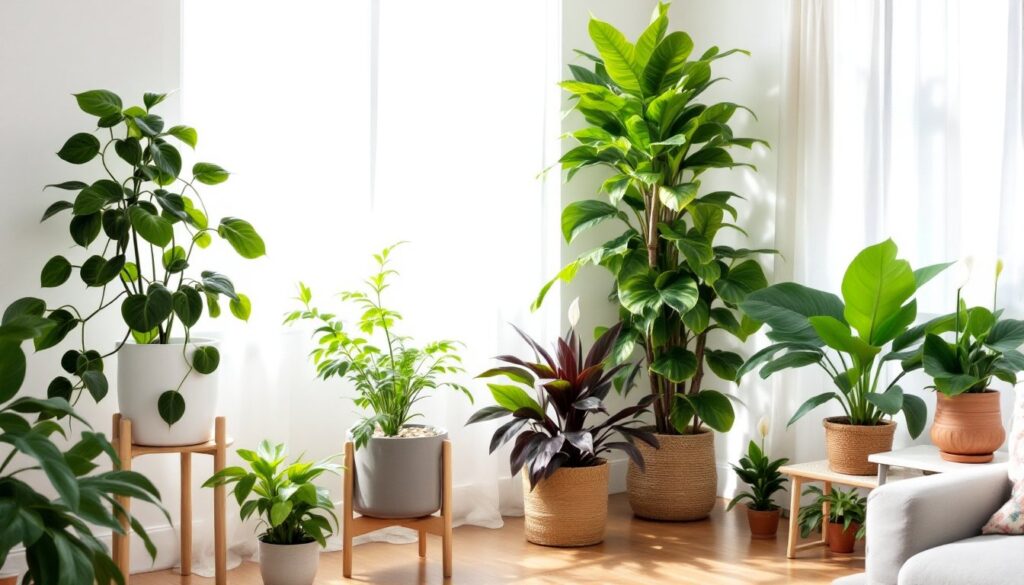
Indoor plants aren’t just décor, they’re living systems that filter air, regulate humidity, and turn windowsills into micro-ecosystems. Whether someone’s starting with a single pothos on a kitchen counter or filling a sunroom with ferns, understanding light requirements, watering cycles, and growth habits separates thriving greenery from brown, crispy disappointment. This guide walks through the best species for different skill levels and conditions, along with the core care principles that keep roots healthy and leaves vibrant year-round.
Table of Contents
ToggleKey Takeaways
- Good indoor house plants improve air quality by absorbing carbon dioxide and removing volatile organic compounds, while also regulating humidity and reducing stress in living spaces.
- Beginner-friendly plants like pothos, snake plant, and ZZ plant tolerate low light and irregular watering, making them ideal for those new to houseplant care.
- Proper drainage, appropriate watering based on soil moisture rather than a fixed schedule, and matching plant species to your home’s natural light levels are essential for success.
- Low-light rooms can still support thriving indoor plants like cast iron plant, Chinese evergreen, and philodendron, especially with supplemental grow lights if needed.
- Pet-safe indoor house plants including spider plants, peperomia, and Boston ferns allow you to enjoy greenery without toxicity risks to cats and dogs.
- Indoor plants require monthly pest inspections, seasonal fertilizing during active growth, and quarterly rotation to prevent lopsided development and maintain long-term health.
Why Indoor House Plants Are Essential for Your Home
Plants improve indoor air quality by absorbing carbon dioxide and releasing oxygen, basic biology, but the impact adds up in sealed, climate-controlled spaces. Certain species also remove volatile organic compounds (VOCs) from paint, furniture off-gassing, and cleaning products, though the effect requires multiple plants per room to be measurable.
Beyond air chemistry, greenery regulates humidity through transpiration, which can reduce static and dry skin in winter. Studies show that visible plants lower stress markers and improve focus, making them practical additions to home offices and bedrooms. They’re not magic, but they do work if placed strategically and kept alive.
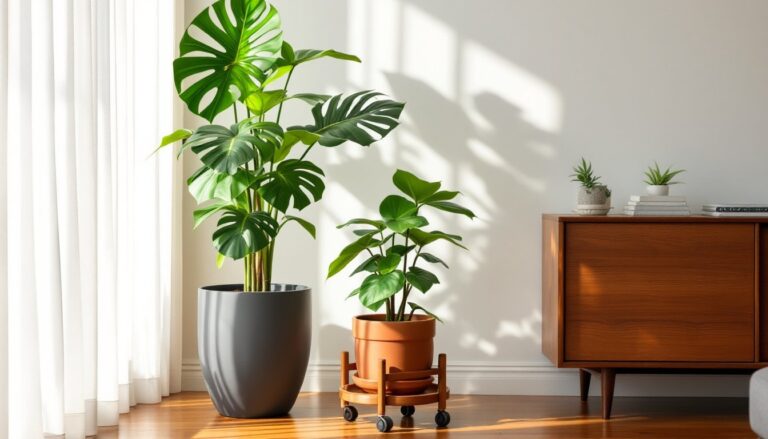
From a design standpoint, plants add vertical layers, soften hard surfaces, and bring organic texture to spaces dominated by drywall and laminate. A fiddle-leaf fig in a corner does more to anchor a room than most throw pillows. The key is matching the plant to the environment, not forcing a sun-loving succulent into a north-facing bathroom and hoping for the best.
Best Low-Maintenance Indoor Plants for Beginners
Pothos (Epipremnum aureum) tolerates low light, irregular watering, and general neglect better than most houseplants. It grows as a trailing vine or can be trained up a moss pole. Water when the top 2 inches of soil dry out, usually once a week, but check by touch, not calendar.
Snake Plant (Sansevieria trifasciata) survives in dim corners and only needs water every 2–3 weeks. Its upright, sword-like leaves fit narrow spaces like hallways or bathroom counters. Overwatering kills it faster than drought, so err on the dry side.
ZZ Plant (Zamioculcas zamiifolia) has glossy, waxy leaves and rhizomes that store water underground. It handles low light and can go three weeks between waterings. The stems grow slowly but steadily, making it ideal for high shelves or floor planters.
Spider Plant (Chlorophytum comosum) produces arching, striped foliage and offshoots (spiderettes) that can be propagated in water. It prefers bright, indirect light but adapts to medium conditions. Water when the soil surface feels dry. It’s forgiving and fast-growing, which makes mistakes easy to recover from.
All four thrive in standard potting mix with drainage holes. A 6–8 inch plastic or ceramic pot works for most starter plants. Avoid decorative pots without drainage unless using them as cachepots (outer sleeves for the actual growing container).
Top Air-Purifying House Plants for Healthier Living Spaces
The 1989 NASA Clean Air Study identified several species that remove formaldehyde, benzene, and trichloroethylene from sealed environments. Real-world effectiveness depends on plant density and room size, but these species do filter air to a measurable degree.
Peace Lily (Spathiphyllum) breaks down ammonia, formaldehyde, and benzene. It blooms white spathes in medium to bright indirect light and wilts dramatically when thirsty, a built-in watering reminder. Keep it away from pets: all parts are toxic if ingested.
Boston Fern (Nephrolepis exaltata) excels at removing formaldehyde and adding humidity. It needs consistent moisture and bright, indirect light. Fronds turn brown and crispy in dry air, so misting or a pebble tray helps in heated homes. It’s not beginner-proof, but home improvement enthusiasts often find the payoff in air quality worth the effort.
Rubber Plant (Ficus elastica) filters formaldehyde and grows into a substantial floor plant with minimal fuss. Wipe the broad, glossy leaves monthly to maximize surface area for gas exchange. Water when the top 3 inches of soil dry out.
Dracaena (Dracaena marginata, D. fragrans) varieties target trichloroethylene and xylene. They tolerate low to medium light and need water every 1–2 weeks. Dracaenas grow tall and narrow, making them useful for corners or flanking furniture.
Pair multiple species for broader VOC coverage. A single plant won’t transform air quality, but six to eight medium-sized specimens in a 200-square-foot room make a noticeable difference over time.
Perfect Indoor Plants for Low-Light Rooms
Low light means a room with north-facing windows, or spaces more than 6 feet from an east or west window. It’s not zero light, plants still need some ambient brightness to photosynthesize.
Cast Iron Plant (Aspidistra elatior) earns its name by surviving dim hallways, basement offices, and bathroom corners. It grows slowly, producing broad, dark green leaves that tolerate dust and irregular watering. Water every 2–3 weeks.
Chinese Evergreen (Aglaonema) comes in varieties with silver, red, or pink variegation. It handles low light better than most colorful foliage plants and prefers evenly moist (not soggy) soil. Trim yellowing lower leaves as the plant matures.
Parlor Palm (Chamaedorea elegans) brings a tropical look to dim corners without demanding high humidity or bright sun. It grows 3–4 feet tall indoors and needs water when the top inch of soil dries. Brown leaf tips indicate underwatering or low humidity.
Philodendron (Philodendron hederaceum) trails or climbs depending on support. It thrives in low to medium light and recovers quickly from wilting. Water when the top 2 inches of soil feel dry. Heart-shaped leaves make it a visual standout on bookshelves or hanging planters.
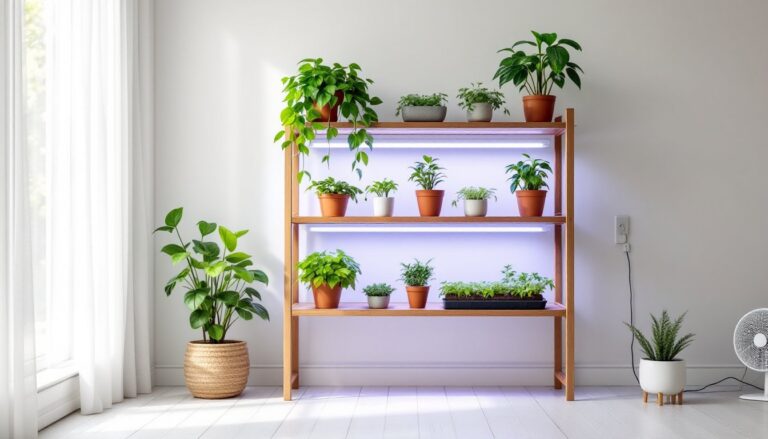
Supplemental grow lights (full-spectrum LED bulbs in desk lamps or clip-on fixtures) extend options in truly dark rooms. A 6500K bulb on a timer for 10–12 hours daily simulates natural light and keeps growth compact.
Pet-Friendly House Plants That Are Safe and Beautiful
Many common houseplants contain calcium oxalates or other compounds toxic to cats and dogs. The following species are non-toxic according to the ASPCA, though ingestion may still cause mild stomach upset.
Peperomia (Peperomia obtusifolia, P. caperata) offers thick, waxy leaves in green, red, or variegated patterns. It grows 6–12 inches tall, prefers bright indirect light, and needs water only when the soil dries halfway down. Compact and slow-growing, it fits windowsills and end tables.
Spider Plant (mentioned earlier) is safe for pets and produces offshoots that dangle enticingly, cats may bat at them, but ingestion won’t cause harm beyond mild digestive irritation.
Boston Fern (also covered above) poses no toxicity risk. Its feathery fronds may attract curious pets, but nibbling won’t lead to vet visits.
Parlor Palm is another safe choice for households with animals. Its slender fronds sway without sharp edges, and it tolerates low light where pets spend time.
Calathea (Prayer Plant) varieties feature striking leaf patterns, stripes, spots, and undersides in deep purple. They’re non-toxic and thrive in medium, indirect light with consistent moisture. They’re fussier than peperomia but worth it for the visual payoff. Many gardening resources confirm these species as reliable pet-safe options.
Always double-check new plants against the ASPCA’s toxic and non-toxic plant database before bringing them home. Even safe plants can cause vomiting if a pet eats enough foliage.
Essential Care Tips to Keep Your Indoor Plants Thriving
Light: Assess natural light before buying. South-facing windows deliver bright, direct sun (4+ hours daily). East and west windows provide bright, indirect light. North-facing windows and interior rooms are low-light zones. Rotate plants quarterly to prevent lopsided growth.
Watering: More plants die from overwatering than underwatering. Stick a finger 2 inches into the soil, if it’s dry, water until it drains from the bottom. Discard standing water in saucers after 15 minutes. Adjust frequency seasonally: plants use less water in winter when growth slows.
Soil and Drainage: Use a quality potting mix (not garden soil, which compacts indoors). Drainage holes are non-negotiable for most species. If a decorative pot lacks holes, use it as a cachepot and lift the inner plastic nursery pot to water over a sink.
Humidity: Most tropical houseplants prefer 40–60% relative humidity. Group plants together, use pebble trays (saucers filled with stones and water, pot resting above the waterline), or run a humidifier during heating season. Brown leaf tips often signal dry air.
Fertilizer: Feed actively growing plants (spring through early fall) with a balanced liquid fertilizer diluted to half strength every 4–6 weeks. Skip fertilizer in winter unless the plant is blooming or pushing new growth under grow lights.
Pest Management: Inspect leaves and stems monthly for aphids, spider mites, mealybugs, and scale. Wipe leaves with a damp cloth to remove dust and pests. Treat infestations with insecticidal soap or neem oil, following label instructions. Isolate affected plants to prevent spread.
Repotting: Move plants to containers 1–2 inches larger in diameter when roots circle the drainage holes or growth slows even though proper care. Spring is ideal for repotting. Fresh potting mix restores nutrients and improves drainage. Many home improvement sites offer seasonal repotting guides tailored to common species.
Temperature: Most houseplants thrive between 65–75°F during the day and tolerate nighttime drops to 60°F. Avoid placing plants near heating vents, radiators, or drafty windows. Sudden temperature swings cause leaf drop and stress.
Conclusion
Choosing the right indoor plant comes down to honest assessment, available light, willingness to monitor watering, and whether pets will turn a pothos into a chew toy. Start with one or two proven low-maintenance species, observe their growth cycles, and expand from there. Plants aren’t décor that stays static: they respond to care, signal needs through foliage changes, and reward attention with steady growth. A thriving indoor garden isn’t built overnight, but it doesn’t require a greenhouse either, just consistent observation and a willingness to adjust.