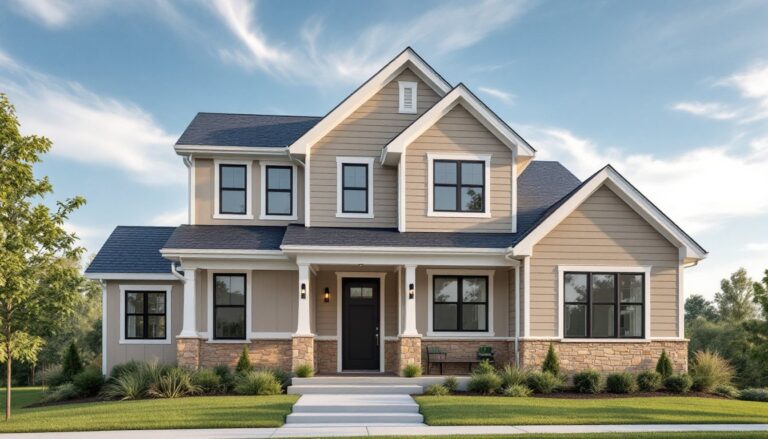
Home is where the heart is, but what happens when that heart needs a little CPR? A full home renovation can breathe new life into tired spaces, transforming them from drab to fab faster than you can say “open-concept kitchen.” Whether it’s a kitchen that screams for help or a bathroom that’s seen better days, diving into a renovation can feel like jumping into a pool of uncertainty—without knowing if there’s water in it.
Table of Contents
ToggleUnderstanding Full Home Renovation
Full home renovation encompasses comprehensive modifications to a residence. It addresses multiple areas, enhancing both aesthetics and functionality.
What Is Full Home Renovation?
Full home renovation involves renovating an entire house rather than focusing on individual rooms. This process may include structural changes, updates to plumbing and electrical systems, and modernizing interiors to meet current standards. Homeowners often choose this approach to improve energy efficiency, increase property value, or adapt living spaces to better suit their needs.
Benefits of Full Home Renovation
Full home renovations offer a variety of advantages. Enhanced energy efficiency leads to reduced utility bills. Increasing property value becomes achievable through modern updates. Customization allows homeowners to create tailored living spaces that reflect personal tastes. Improved functionality often results from modern layouts and upgraded features. Overall, transforming an entire home promotes comfort and satisfaction, making it a worthwhile investment for many.
Planning Your Full Home Renovation
Planning a full home renovation requires careful consideration of various aspects, including budget and timeline.
Setting a Budget
Establishing a budget serves as a foundation for any renovation project. Calculate total costs by estimating expenses for materials, labor, permits, and unexpected repairs. It’s wise to set aside 10-20% of the budget for contingencies. Homeowners often find it beneficial to prioritize essential updates over cosmetic changes. Understanding current market rates for materials helps avoid overspending. Researching local contractors provides insight into labor costs, ensuring accurate budgeting.
Creating a Timeline
Creating a timeline aids in managing renovation projects efficiently. Draft a schedule by breaking the renovation into phases, such as design, demolition, and construction. Consider factors like permitting processes, which can delay timelines. Homeowners commonly allocate 3-6 months for complete renovations, depending on the home’s size and complexity. Regular check-ins with contractors keep the project on track and address issues promptly. Flexibility remains essential, as delays may occur due to unforeseen circumstances.
Choosing the Right Professionals
Selecting skilled professionals plays a critical role in the success of full home renovations. A well-chosen team makes the project smoother and more efficient.
Architects and Designers
Architects and designers bring visions to life. Each professional offers unique expertise; architects focus on structural elements while designers often emphasize aesthetics. Collaborating with both ensures a balanced approach to functionality and style. Homeowners should review portfolios and request references to find a good match. Engaging in initial consultations allows for clear communication of goals and expectations. Assessing compatibility will enhance teamwork throughout the renovation process.
Contractors and Builders
Contractors and builders execute the renovation vision and handle the physical work. They coordinate tradesmen, manage timelines, and oversee budgets. Researching contractors involves checking online reviews and viewing past projects. Comparing multiple bids helps ensure fair pricing and thorough services. Effective communication with chosen contractors ensures that expectations align, minimizing misunderstandings. It’s beneficial to verify licenses and insurance before proceeding to secure protection during construction.
Key Considerations During Renovation
Homeowners should evaluate several key factors during a renovation. Each consideration plays a critical role in ensuring the project achieves desired outcomes.
Structural Changes
Structural changes can significantly impact the overall design and functionality of a home. Evaluate load-bearing walls before removing them, as improper modifications may compromise safety. Investing in professional assessments ensures compliance with local building codes. Room layouts may also require adjustments to enhance flow and accessibility. Homeowners must consider how each change affects natural light and ventilation. Lastly, determining the need for additional support beams or reinforcements proves essential in large-scale renovations.
Interior Design Choices
Interior design choices greatly influence a home’s aesthetic and comfort. Prioritize cohesive color schemes that reflect personal style and enhance space. Selecting durable materials maximizes longevity, particularly in high-traffic areas. Lighting fixtures should blend functionality with visual appeal, creating inviting atmospheres. Additionally, exploring furniture arrangements can optimize space utilization and promote a comfortable living experience. Finally, incorporating personal touches, such as artwork or family heirlooms, adds warmth and character to renovated areas.
Post-Renovation Tips
Post-renovation care ensures that a home remains in top shape after a comprehensive renovation. Following a few maintenance and decorating steps helps preserve the investment made in renovations.
Home Maintenance
Regular home maintenance keeps newly updated spaces looking fresh. First, perform routine inspections of plumbing and electrical systems for any issues. Checking appliances like heaters and air conditioners regularly enhances efficiency and prevents costly repairs. It’s crucial to clean surfaces in kitchens and bathrooms frequently, reducing wear and tear. Scheduling seasonal maintenance ensures that everything functions smoothly. Homeowners should keep an eye on the roof and gutters, as these can cause significant damage if neglected. Investing time in these tasks pays off by extending the life of renovations.
Decorating and Furnishing
Choosing the right decor and furniture transforms a renovated space into a personalized haven. Begin with selecting a cohesive color palette that resonates with the home’s aesthetic. Incorporating artwork and personal touches enhances character and warmth. Prioritize durable materials for furniture, especially in high-use areas like living rooms and kitchens. Mixing different textures provides visual interest, while maintaining comfort for occupants. Consider space optimization when selecting furniture, using multifunctional pieces to maximize utility. Thoughtful arrangements create inviting environments, making spaces both functional and enjoyable.
Full home renovation offers homeowners an opportunity to breathe new life into their spaces while enhancing functionality and aesthetics. With careful planning and the right team, the challenges of renovation can lead to rewarding outcomes. Prioritizing essential updates and maintaining open communication with professionals ensures that projects stay on track and within budget.
Once the renovation is complete, ongoing maintenance plays a critical role in preserving the beauty and efficiency of the home. By investing time and resources into these updates, homeowners not only improve their living environment but also increase property value and personal satisfaction. Embracing the journey of a full home renovation can lead to a space that truly reflects individual tastes and lifestyle needs.