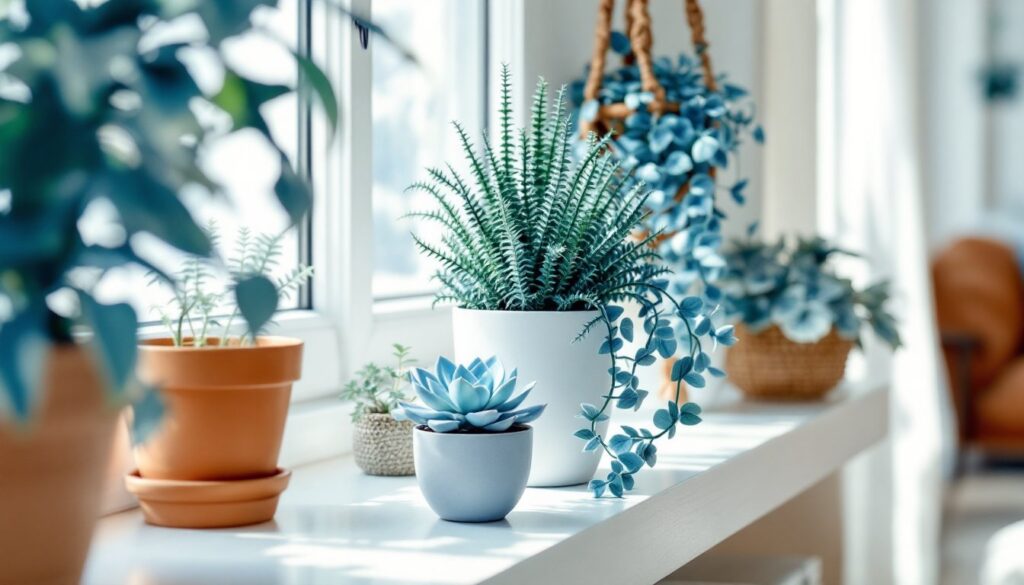
Blue house plants have moved from botanical curiosity to mainstream obsession, and for good reason. These silvery-blue, steel-toned, and powder-blue beauties break the monotony of all-green interiors and add an unexpected coolness that pairs surprisingly well with warm woods, neutrals, and even bold accent colors. Whether you’re looking for a low-maintenance succulent or a dramatic statement piece, blue-toned foliage offers texture and contrast that standard houseplants can’t match. This guide covers 15 varieties, from beginner-friendly picks to show-stoppers, plus care tips and styling strategies that work in real homes.
Table of Contents
ToggleKey Takeaways
- Blue house plants offer a stylish alternative to traditional green foliage, using waxy coatings and natural pigments to create striking visual depth that complements modern, minimalist, and maximalist interiors alike.
- Beginner-friendly blue plant varieties like Blue Chalksticks, Echeveria ‘Blue Atoll’, and Blue Star Fern are low-maintenance, drought-tolerant, and thrive in typical indoor conditions with minimal oversight.
- Overwatering is the primary killer of blue house plants—water succulents and agaves only when soil is completely dry, and avoid heavy soils that retain moisture.
- Blue plants develop their signature color best in bright, indirect light from south- or west-facing windows; too little light causes them to revert to green.
- Display blue house plants against white walls, warm wood, terracotta, or charcoal gray to maximize contrast and visual impact, while allowing 8–12 inches between pots for breathing room and air circulation.
- Clean blue plant leaves gently with a soft, damp cloth to maintain their reflective waxy finish and avoid leaf-shine products that can clog pores and dull natural coloration.
Why Blue House Plants Are Having a Major Moment
The surge in blue house plants isn’t just a trend, it’s a response to design fatigue with the same philodendrons and pothos dominating every corner. Blue-toned plants, which get their coloring from a waxy coating called epicuticular wax or natural pigments like anthocyanins, reflect light differently than green leaves. This creates visual depth and a cooler palette that complements modern interiors.
Designers and plant collectors are gravitating toward blue varieties for their versatility. They work in minimalist Scandinavian spaces, industrial lofts, and even maximalist plant jungles. The color reads as sophisticated without being precious, and it doesn’t compete with artwork or textiles the way variegated or neon-green plants can.
Another factor: social media. Platforms like Instagram and Pinterest have amplified the visibility of rare and unusual plants, and blue specimens photograph exceptionally well. The matte, chalky finish of many blue succulents, for instance, provides a tactile quality that translates beautifully on screen. Nurseries and online retailers have responded by stocking more blue cultivars, making them easier to find than ever before.
Best Blue House Plants for Beginners
If you’re new to blue plants, start with varieties that forgive inconsistent watering and don’t demand high humidity or specialized lighting. These picks tolerate typical indoor conditions and bounce back from minor neglect.
Blue Star Fern (Phlebodium aureum) is a compact fern with powdery blue-green fronds that tolerate lower light better than most ferns. It prefers humidity but won’t immediately crisp up if you forget to mist.
Senecio mandraliscae (Blue Chalksticks) is a succulent with cylindrical, blue-gray leaves that trail or sprawl. It needs bright light and infrequent watering, ideal for sunny windowsills.
Echeveria ‘Blue Atoll’ forms tight rosettes with a frosty blue finish. It’s drought-tolerant and compact, fitting easily on desks or shelves. Water only when the soil is fully dry.
Blue Agave (Agave americana) works as a dramatic indoor specimen in large pots. It’s slow-growing and handles dry indoor air without complaint. Note: mature plants can reach several feet across, so plan for eventual repotting or outdoor relocation.
Blue Succulents and Low-Maintenance Varieties
Succulents dominate the beginner-friendly blue plant category because their waxy coatings, which create the blue tone, also help them retain moisture. This makes them nearly impossible to overwater if you follow basic succulent care.
Sedum pachyphyllum (Blue Jelly Beans) has plump, finger-like leaves with a dusty blue coating. It roots easily from cuttings and tolerates inconsistent light.
Graptopetalum paraguayense (Ghost Plant) produces rosettes that range from pale lavender to silvery blue depending on light exposure. More sun intensifies the color.
Kalanchoe pumila features scalloped, silver-blue leaves covered in fine powder. It blooms with pink-purple flowers in spring, adding seasonal interest.
All of these thrive in well-draining cactus mix (2 parts potting soil to 1 part perlite or coarse sand). Water deeply but infrequently, every 10 to 14 days in warm months, less in winter. Overwatering is the primary killer, so err on the dry side.
Dramatic Blue Foliage Plants for Statement Spaces
For high-impact spaces, entryways, living rooms, or plant rooms, these larger or more architectural blue plants command attention.
Blue Java Fern (Microsorum thailandicum) is a rare fern with iridescent blue fronds that shimmer in indirect light. It prefers humidity above 50% and consistent moisture. Pair it with a pebble tray or humidifier if your home is dry.
Cebu Blue Pothos (Epipremnum pinnatum ‘Cebu Blue’) is a vining plant with elongated, silver-blue leaves that develop fenestrations (splits) as it matures. It’s more forgiving than the Java fern and tolerates a range of light conditions, though brighter indirect light intensifies the blue tone.
Hosta ‘Blue Mouse Ears’ is typically an outdoor plant but can be grown indoors in cooler rooms with bright, indirect light. Its thick, cupped leaves have a strong blue-gray cast. It goes dormant in winter, so expect die-back.
Blue Chalk Fingers (Senecio serpens) is a sprawling succulent with upright, cylindrical leaves in a striking powder blue. It works well in hanging baskets or as a spiller in mixed containers.
Agave attenuata (Foxtail Agave) is a softer, spineless agave with broad, pale blue-green leaves arranged in a rosette. It’s large, up to 4 feet across, and best suited for floor placement near south- or west-facing windows.
These statement plants benefit from occasional leaf cleaning to maintain their reflective finish. Use a soft, damp cloth to gently wipe dust from leaves without disturbing the waxy coating. Avoid leaf-shine products, which can clog pores and dull the natural blue hue.
How to Care for Blue House Plants
Blue plants aren’t inherently harder to care for, but their color depends on specific conditions. Here’s what they need to maintain that signature hue.
Light: Most blue plants develop their best color in bright, indirect light. Too little light causes them to revert to green: too much can scorch leaves or fade the waxy coating. South- or west-facing windows with sheer curtains are ideal. Succulents tolerate more direct sun than ferns or tropicals.
Watering: The waxy coating on many blue plants is a drought adaptation, so overwatering is a common mistake. For succulents and agaves, water only when the soil is completely dry 2 inches down. For ferns and pothos, keep soil lightly moist but never soggy. Use pots with drainage holes and empty saucers after watering.
Soil: Blue succulents need fast-draining cactus mix. Ferns and vining plants prefer standard potting mix amended with perlite for aeration. Avoid heavy, moisture-retentive mixes that can cause root rot.
Humidity: Ferns (Blue Star, Blue Java) appreciate humidity above 50%. Use a humidifier, group plants together, or place pots on trays filled with pebbles and water. Succulents and agaves tolerate dry air.
Fertilizer: Feed lightly during the growing season (spring and summer). Use a balanced, water-soluble fertilizer diluted to half strength every 4 to 6 weeks. Overfertilizing can cause leggy growth and diminish blue coloration.
Temperature: Most blue house plants prefer temperatures between 60°F and 80°F. Avoid placing them near heating vents, air conditioners, or drafty windows. Sudden temperature swings stress plants and can cause leaf drop.
Pests: Watch for mealybugs, spider mites, and scale, especially on succulents. Inspect leaf axils and undersides regularly. Treat infestations with insecticidal soap or neem oil, applied according to label directions. Wear gloves and work in a ventilated area.
Styling Tips: Where to Display Blue Plants in Your Home
Blue plants excel in spaces where you want to introduce cool tones without committing to paint or major decor changes. They also provide a counterpoint to warm wood finishes and neutral palettes.
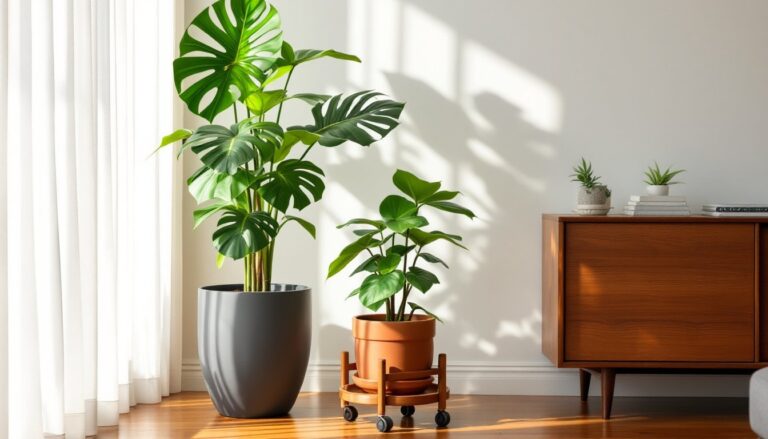
Living rooms: Use a large blue agave or pothos in a floor planter near a window. Pair with concrete, ceramic, or matte black pots to echo the plant’s cool tones. Avoid overly ornate containers that compete visually.
Bedrooms: Small blue succulents on nightstands or dressers add subtle color without overwhelming the space. Group three rosette-forming varieties in a shallow tray for a cohesive vignette.
Bathrooms: Blue Star Ferns thrive in humid bathrooms with indirect light. Mount a floating shelf near a window or place a pot on the vanity. The blue-green fronds soften hard tile and fixtures.
Home offices: Indoor plant care routines can reduce stress and improve air quality. Position a Cebu Blue Pothos on a shelf where it can trail, or cluster small succulents on your desk for low-maintenance greenery that doesn’t distract.
Kitchens: Blue Chalksticks or Senecio serpens work well on sunny windowsills above the sink. Their trailing habit softens hard edges and adds dimension. Ensure pots have drainage to prevent water damage to sills.
Entryways: A statement blue agave or large fern in a floor planter creates immediate impact. Entryways with sidelights or transoms provide enough natural light for most blue plants. Rotate plants weekly to ensure even growth.
When styling, consider contrast. Blue plants pop against white walls, warm wood, terracotta, and charcoal gray. They’re less effective against cool grays or blues, where they can read as washed out. For mixed plant displays, design-focused plant arrangements often pair blue specimens with deep greens, burgundy foliage, or plants with contrasting textures like ferns or grasses.
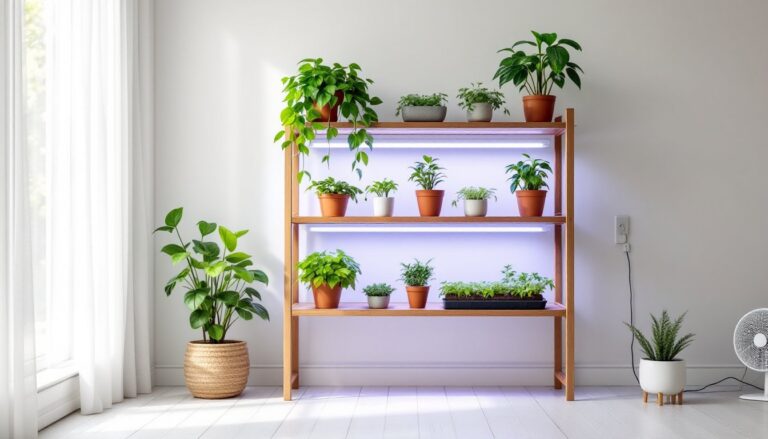
Avoid overcrowding. Blue plants benefit from breathing room so their unique color and form remain the focal point. In gallery-style plant walls or shelves, leave at least 8 to 12 inches between pots to allow air circulation and visual separation.
Conclusion
Blue house plants offer a simple, high-impact way to shift the color palette in any room without major renovation. Whether you’re drawn to the low-maintenance appeal of succulents or the lush drama of a Blue Java Fern, there’s a variety that fits your skill level and space. Start with one or two plants, dial in the light and watering, and you’ll quickly see why interior plant styling increasingly features these cool-toned beauties. The key is choosing varieties that match your environment and committing to consistent, appropriate care, blue plants reward attention with color that stays striking year-round.