Adding greenery to a bedroom isn’t just about aesthetics, it’s a practical way to improve air quality, humidity levels, and the overall vibe of the space where you spend a third of your life. But not every plant belongs on a nightstand. Bedrooms tend to have lower light, less ventilation, and more stable temps than other rooms, which narrows the field to species that can handle those conditions without turning into a maintenance headache. The right plants will thrive without demanding daily attention, won’t trigger allergies, and can actually help you sleep better by filtering out common indoor pollutants.
Table of Contents
ToggleKey Takeaways
- The best indoor plants for bedrooms are low-maintenance species like snake plants, peace lilies, and pothos that tolerate low light and irregular watering while improving air quality and sleep.
- Snake plants and certain succulents release oxygen at night, making them ideal for bedrooms and helping filter common indoor pollutants like formaldehyde and xylene.
- Overwatering is the #1 killer of bedroom plants—check soil moisture with your finger before watering, ensuring drainage holes and well-draining potting mix to prevent root rot.
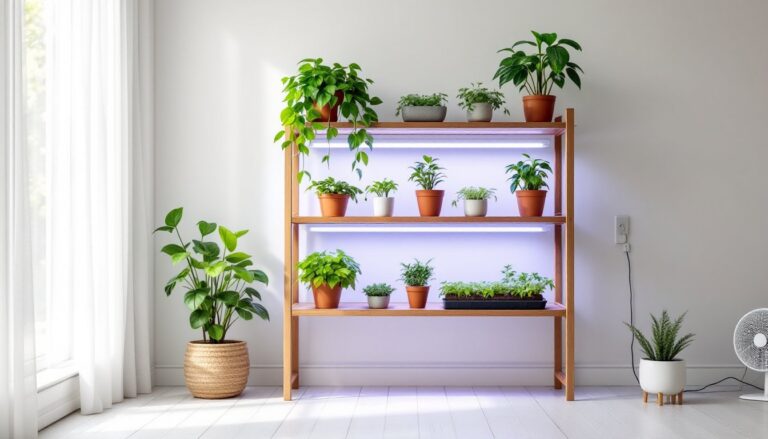
- Position indoor plants near windows when possible, but low-light varieties will survive in north-facing rooms or corners; consider a small LED grow light if natural light is minimal.
- Style your bedroom with plants using height variation, odd-numbered groupings, and neutral-toned pots to create visual balance without cluttering the space.
Why Add Plants to Your Bedroom?
Plants do more than fill empty corners. In a bedroom, they serve functional purposes that directly impact comfort and health.
Most indoor plants release oxygen and absorb carbon dioxide during the day, some, like snake plants and certain succulents, even do it at night, which makes them particularly suited for sleeping spaces. They also act as natural humidifiers, releasing moisture through transpiration. That’s helpful in winter when heating systems dry out the air and leave you waking up with a scratchy throat.
Beyond the biological benefits, plants reduce stress. Studies show that even minimal exposure to greenery lowers cortisol levels and helps people feel calmer. In a room designed for rest, that’s not a small thing.
There’s also the acoustic angle. Dense foliage can dampen sound slightly, not enough to replace insulation, but it takes the edge off echoes in rooms with hard flooring or minimal textiles.
Finally, they’re forgiving decor. A single well-placed plant can anchor a nightstand, soften a window sill, or fill vertical space without the commitment of wall art or built-ins.
Top Indoor Plants That Thrive in Bedrooms
Snake Plant (Sansevieria)
Also called mother-in-law’s tongue, the snake plant is nearly indestructible. It tolerates low light, irregular watering, and a wide range of temps, basically everything a bedroom throws at it. The upright, sword-like leaves grow slowly and don’t sprawl, so it fits tight spaces like corners or narrow shelves.
Snake plants are one of the few that release oxygen at night, making them ideal for bedrooms. They also filter formaldehyde, xylene, and toluene, common VOCs from paint, furniture, and cleaning products.
Watering is minimal: once every 2–3 weeks in warmer months, less in winter. Overwatering is the main way people kill these. The soil should dry out completely between waterings. Use a well-draining potting mix, cactus or succulent blends work well.
They tolerate low light but grow faster and show better color in indirect bright light. If your bedroom has a north-facing window or no window at all, a snake plant will still survive. For bedroom styling, many home decor ideas suggest placing taller varieties on the floor beside dressers or shorter ones on nightstands for vertical interest.
Peace Lily (Spathiphyllum)
Peace lilies are one of the few flowering plants that thrive in low light. The white spathes (often mistaken for petals) emerge periodically and last for weeks, adding a subtle focal point without overwhelming a bedroom’s palette.
They’re effective air purifiers, removing ammonia, benzene, formaldehyde, and trichloroethylene. NASA’s Clean Air Study highlighted peace lilies as one of the top performers for filtering indoor air pollutants, a key reason they’re popular in low-maintenance indoor plants lists.
Peace lilies like consistent moisture. They’ll droop dramatically when thirsty, but perk back up within hours of watering, it’s basically a built-in reminder system. Water when the top inch of soil feels dry. They prefer temps between 65–80°F, which aligns with most bedroom climates.
One note: peace lilies contain calcium oxalate crystals, which are toxic if chewed by pets or kids. Keep them out of reach if that’s a concern. They also appreciate humidity, so bedrooms with en-suite baths or humidifiers are ideal.
Pothos (Epipremnum aureum)
Pothos is the trailing plant that shows up in every “easy houseplant” list for good reason. It grows aggressively in a variety of conditions, tolerates neglect, and looks good doing it. The heart-shaped leaves come in several varieties, golden pothos has yellow variegation, marble queen is white and green, and jade pothos is solid green.
It’s highly adaptable to light. Pothos will grow in low light (though variegation fades) or bright indirect light (where it thrives). For bedrooms with inconsistent natural light, it’s a safe bet.
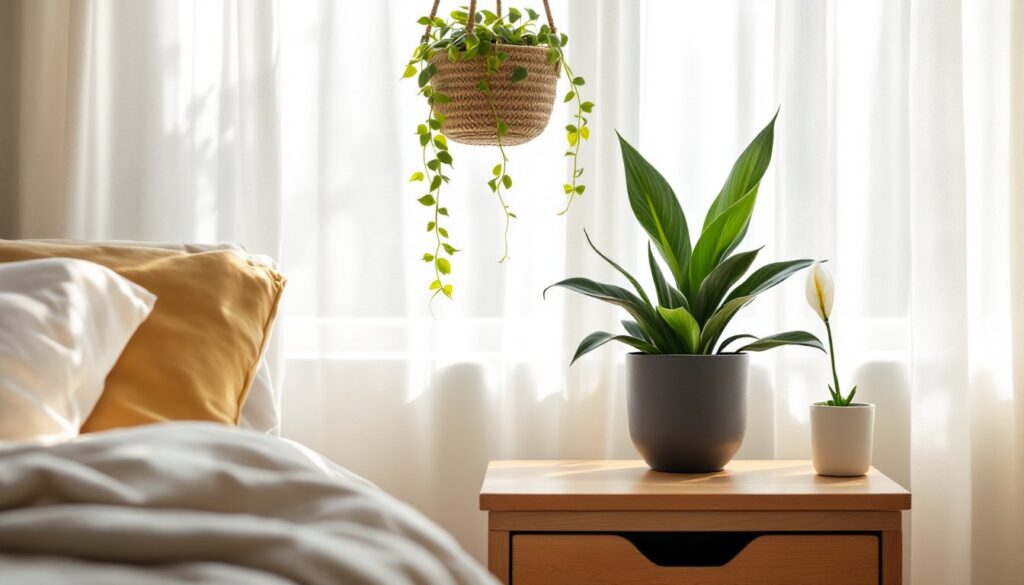
Pothos is also an air purifier, targeting formaldehyde, xylene, and benzene. Its trailing habit makes it perfect for hanging planters, high shelves, or trained along a curtain rod or headboard.
Watering is simple: let the soil dry out between waterings, usually once a week. Pothos will tell you when it’s thirsty, the leaves start to curl slightly. It’s harder to underwater than overwater.
Like peace lilies, pothos is toxic to pets. If you’ve got cats or dogs that chew plants, keep it elevated or choose a different species. For propagation, pothos is ridiculously easy, snip a stem below a node, stick it in water, and you’ll have roots in a week or two.
How to Care for Your Bedroom Plants
Bedroom plants fail for predictable reasons: overwatering, poor drainage, or placing a high-light plant in a dim corner. Here’s how to avoid that.
Light matters more than most people think. Low light doesn’t mean no light. Plants still need some exposure. If your bedroom has a window, place plants within a few feet of it. North-facing windows provide the least light but are fine for snake plants and pothos. East or west-facing windows work for everything on this list. If you’ve got blackout curtains, open them during the day, plants can’t photosynthesize in the dark.
If natural light is minimal or nonexistent, consider a grow light. A small LED grow bulb in a desk lamp provides enough spectrum for low-light species and won’t heat up the room.
Watering schedules don’t exist. Water based on soil moisture, not a calendar. Stick a finger an inch into the soil, if it’s dry, water. If it’s damp, wait. Bedrooms tend to have lower airflow than kitchens or living rooms, so soil dries slower. Overwatering leads to root rot, the #1 killer of houseplants.
Use pots with drainage holes. If you’re stuck with a decorative pot that doesn’t drain, use it as a cache pot, plant goes in a plastic nursery pot, which sits inside the decorative one. Water over a sink, let it drain fully, then return it.
Humidity helps but isn’t mandatory for the plants listed here. If you’re running a humidifier for your own comfort, great, peace lilies will appreciate it. If not, don’t stress. Avoid placing plants directly above heating vents or next to drafty windows in winter.
Fertilize sparingly. Houseplants in bedrooms grow slowly because light and activity levels are lower. Feed every 4–6 weeks during spring and summer with a balanced liquid fertilizer diluted to half strength. Skip fertilizing in fall and winter when growth stalls.
Dust the leaves. Dust blocks light and reduces photosynthesis. Wipe leaves down with a damp cloth every few weeks. For plants like pothos with lots of small leaves, a quick rinse in the shower works.
Watch for pests. Low light and dry air can attract spider mites or fungus gnats. If you see webbing, sticky residue, or tiny flies, isolate the plant and treat with insecticidal soap or neem oil. Fungus gnats usually mean the soil’s staying too wet, let it dry out more between waterings.
Styling Tips for Bedroom Plants
Plants should enhance the room, not clutter it. Here’s how to integrate them without turning your bedroom into a greenhouse.
Start with one or two plants. More isn’t always better, especially in smaller bedrooms. A single snake plant in a corner or a pothos trailing from a shelf makes a bigger impact than five mismatched plants scattered around.
Use height variation. Tall plants like snake plants anchor corners or flank dressers. Trailing plants like pothos work on high shelves, curtain rods, or wall-mounted planters. Compact plants like peace lilies fit nightstands or windowsills.
Match the pot to the room’s palette. Neutral ceramic, matte black, or natural terracotta blends into most bedroom styles. If your room skews minimalist, stick with simple shapes. If it’s more eclectic, textured or patterned pots add interest without competing with the plant.
Consider scale. A large plant in a small bedroom can overwhelm the space. A tiny succulent on a king-size headboard disappears. Match plant size to the room and furniture.
Group plants in odd numbers if you’re placing multiple on a dresser or shelf. Three small pots or one large and two small creates visual balance. Even numbers can look too symmetrical and stiff.
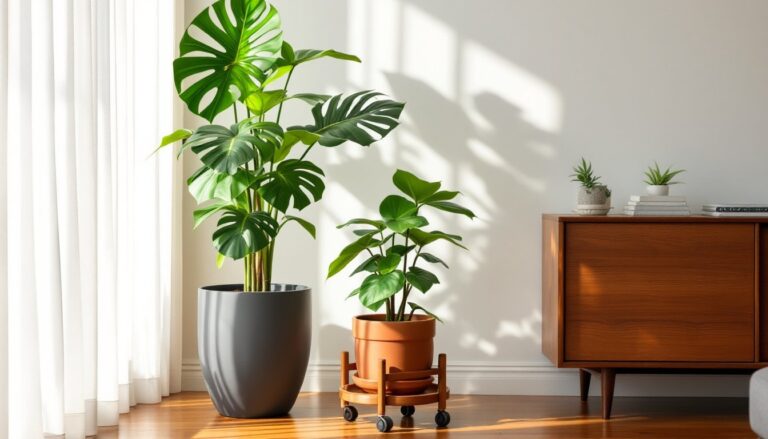
Use plant stands or risers to add dimension. A mid-century plant stand lifts a pot off the floor and makes it a focal point. Stacked books or small risers do the same on dressers or nightstands.
Avoid placing plants on the floor in high-traffic areas, especially trailing varieties. They’re trip hazards and more likely to get knocked over or watered inconsistently.
Layer textures. Pair smooth-leaved plants like pothos with strappy ones like snake plants. The contrast adds depth without requiring more floor space.
For further seasonal home improvement projects, integrating plants into bedroom layouts can tie into broader decor refreshes, especially when considering color schemes and natural materials.