Ferns have been thriving for over 300 million years, and they’re surprisingly adaptable to both indoor and outdoor environments. The short answer? It depends on the variety. Some ferns are naturally suited for the filtered light and controlled humidity of indoor spaces, while others flourish in shaded outdoor garden beds. A few species are versatile enough to transition between both settings with proper care. Understanding which type you’re working with, and how to meet its specific needs, determines whether your fern becomes a lush centerpiece or a brown, crispy disappointment.
Table of Contents
ToggleKey Takeaways
- Whether ferns are indoor or outdoor plants depends on the specific variety—Boston ferns and bird’s nest ferns excel indoors, while autumn ferns and ostrich ferns thrive in shaded garden beds.
- Indoor ferns require 50–60% humidity, bright indirect light, and consistently moist (not waterlogged) soil to prevent crispy fronds and leaf drop.
- Outdoor ferns prefer dappled shade with rich, slightly acidic soil and consistent moisture, mimicking their natural woodland understory habitat.
- Moving ferns between indoor and outdoor spaces is possible but requires 7–10 days of gradual acclimation to prevent stress and leaf damage.
- Rather than transitioning the same plants, many growers maintain separate indoor and outdoor fern collections suited to each environment for healthier, more resilient plants.
Understanding Fern Varieties: Indoor, Outdoor, and Versatile Types
Not all ferns are created equal. The roughly 10,000 species worldwide occupy niches from tropical rainforests to temperate woodlands, and their tolerance for temperature, light, and humidity varies wildly. Before planting or potting a fern, confirm its hardiness zone and native habitat.
Best Ferns for Indoor Growing
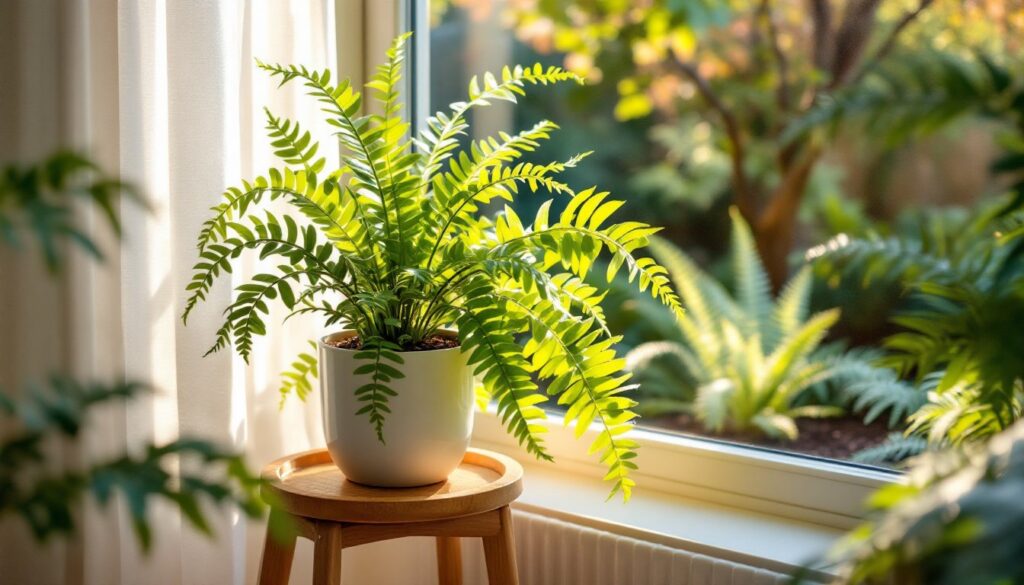
Boston ferns (Nephrolepis exaltata) top the list for indoor growers. They tolerate average indoor humidity (40–50%) better than most tropical ferns, though they’ll thrive with regular misting or a pebble tray. Boston ferns prefer bright, indirect light, an east-facing window works well. They’re forgiving of occasional neglect but will drop leaflets if soil dries completely.
Maidenhair ferns (Adiantum spp.) demand higher humidity (60% or above) and consistent moisture. They’re stunning but fickle: bathrooms with natural light are ideal. Their delicate, fan-shaped fronds are sensitive to drafts and low humidity.
Bird’s nest ferns (Asplenium nidus) are among the most beginner-friendly houseplants for indoor spaces. They tolerate lower light than most ferns and prefer their soil to dry slightly between waterings, a rare trait in the fern family. Their broad, wavy fronds handle dry indoor air better than feathery varieties.
Staghorn ferns (Platycerium spp.) are epiphytes, meaning they grow on trees in the wild. Mount them on wood plaques or in hanging baskets with sphagnum moss. They need bright, indirect light and weekly soaking rather than traditional watering.
Best Ferns for Outdoor Gardens
Autumn ferns (Dryopteris erythrosora) are workhorses for shaded garden beds. Hardy in USDA zones 5–9, they emerge coppery-red in spring and mature to glossy green. They tolerate more sun than most ferns if given consistent moisture.
Lady ferns (Athyrium filix-femina) are native to North America and thrive in zones 4–8. They handle dappled sunlight, making them useful for transitional areas between deep shade and partial sun. Mature plants reach 2–3 feet tall and spread slowly via rhizomes.
Japanese painted ferns (Athyrium niponicum) offer silvery-blue fronds with burgundy midribs. They’re cold-hardy (zones 4–9) and prefer well-draining, acidic soil. Pair them with hostas or astilbes for layered shade gardens.
Ostrich ferns (Matteuccia struthiopteris) are aggressive spreaders suitable for naturalizing in moist, shaded areas. They reach 4–5 feet tall in ideal conditions and tolerate wet soil better than most species. Be aware: they’ll colonize aggressively if conditions suit them.
How to Successfully Grow Ferns Indoors
Indoor ferns fail when growers treat them like succulents or expect them to tolerate neglect. Most indoor varieties are tropical or subtropical species that evolved under forest canopies, where light is filtered, humidity is high, and soil stays consistently moist.
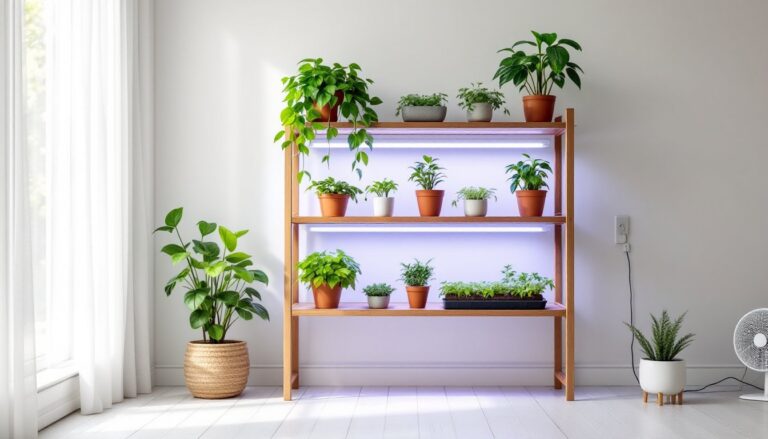
Light requirements: Place ferns within 3–5 feet of an east- or north-facing window. South- and west-facing windows are too intense unless filtered through sheer curtains. Crispy brown frond tips signal too much direct sun. If natural light is limited, full-spectrum LED grow lights positioned 12–18 inches above the plant work well.
Watering: Check soil moisture every 3–4 days. The top inch should feel slightly dry before watering, but the root zone should remain moist. Use room-temperature water: cold water shocks roots. Ferns in terracotta pots dry faster than those in plastic or glazed ceramic.
Humidity: Most indoor ferns need 50–60% relative humidity. Group plants together to create a microclimate, or run a cool-mist humidifier nearby. Pebble trays (shallow trays filled with water and pebbles, with the pot sitting above the waterline) add localized humidity. Avoid misting as a sole humidity source, it’s temporary and can encourage fungal issues if done late in the day.
Soil and containers: Use a peat-based or coir-based potting mix with added perlite for drainage. A ratio of 2 parts potting mix to 1 part perlite works well. Containers must have drainage holes: ferns tolerate moisture but rot quickly in waterlogged soil. Repot every 2–3 years or when roots circle the pot.
Fertilizing: Feed with a balanced, water-soluble fertilizer (10-10-10 or 20-20-20) diluted to half strength every 4–6 weeks during the growing season (spring through early fall). Skip fertilizer in winter when growth slows.
Safety note: Wear gloves when handling potting mix or fertilizers to avoid skin irritation. Work in a well-ventilated area.
Creating the Perfect Outdoor Environment for Ferns
Outdoor ferns thrive in conditions that mimic woodland understories: dappled shade, rich organic soil, and consistent moisture. Skip the sunny perennial border, most ferns scorch in direct sun.
Site selection: Choose areas that receive morning sun and afternoon shade, or dappled light throughout the day. North-facing beds or spots under deciduous trees work well. Avoid planting near shallow-rooted trees like maples or beeches, which compete aggressively for moisture and nutrients.
Soil preparation: Ferns prefer slightly acidic to neutral soil (pH 5.5–7.0) rich in organic matter. Amend clay-heavy soil with 2–3 inches of compost or aged leaf mold worked into the top 6–8 inches. In sandy soil, organic matter improves water retention. Test drainage by digging a 12-inch-deep hole, filling it with water, and observing: it should drain within 6–12 hours.
Planting depth: Set crowns (the point where fronds emerge) at or slightly above soil level. Burying crowns too deep invites rot. Space plants 18–24 inches apart for most species: ostrich and cinnamon ferns need 3 feet.
Mulching: Apply 2–3 inches of shredded bark, leaf mold, or pine needles around plants. Mulch conserves moisture, suppresses weeds, and adds organic matter as it breaks down. Keep mulch an inch away from crowns to prevent rot.
Watering: Newly planted ferns need 1–1.5 inches of water per week. Once established (after 6–8 weeks), many cold-hardy species tolerate brief dry spells, though consistent moisture produces the best foliage. Soaker hoses or drip irrigation work better than overhead watering, which can damage delicate fronds.
Winter care: Hardy ferns (zones 4–9) don’t require winter protection in their appropriate zones. Leave dead fronds in place until spring: they insulate crowns. Cut back brown foliage in early spring before new growth emerges.
Pests and diseases: Ferns resist most pests, but slugs and snails chew fronds in damp conditions. Hand-pick them or use iron phosphate-based bait (safer around pets than metaldehyde). Root rot occurs in poorly draining soil: fix drainage rather than adjusting watering frequency.
Can You Move Ferns Between Indoor and Outdoor Spaces?
Transitioning ferns between indoor and outdoor environments is possible, but it requires gradual acclimation. Abrupt changes in light, humidity, or temperature stress plants and trigger leaf drop or dieback.
Moving indoor ferns outdoors: Wait until nighttime temperatures consistently stay above 50°F. Start by placing potted ferns in a shaded outdoor spot for 1–2 hours, then bring them back inside. Increase outdoor time by an hour daily over 7–10 days. Even shade-loving ferns experience stronger light outdoors than indoors, so avoid direct sun entirely during acclimation. Monitor soil moisture closely, outdoor conditions dry soil faster than indoor environments.
Moving outdoor ferns indoors: Acclimate ferns in fall before overnight temperatures drop below 45°F. Reverse the process: bring plants indoors for short periods, gradually increasing indoor time. Inspect carefully for pests (aphids, scale, spider mites) before bringing them inside. Rinse fronds with lukewwater and check undersides. Quarantine new arrivals for 2 weeks to catch any hitchhikers.
Species considerations: Boston ferns, autumn ferns, and some Athyrium species tolerate transitions well. Cold-hardy outdoor ferns (ostrich, lady ferns) struggle indoors because they require a winter dormancy period with cold temperatures. Tropical indoor ferns like maidenhair can’t survive frost, even briefly.
Container vs. in-ground: Potted ferns transition more easily than in-ground plants. Digging up established outdoor ferns damages root systems and often fails. If moving between spaces regularly, keep ferns in containers year-round. Use pots at least 12–14 inches in diameter for adequate root space.
Alternative approach: Rather than moving the same plants, many growers maintain separate indoor and outdoor collections suited to each environment. It’s less stressful for the plants and yields better results long-term. For those interested in expanding their indoor plant selection beyond ferns, many tropical species follow similar care patterns. If you’re exploring broader home gardening strategies, treating indoor and outdoor plant collections as distinct ecosystems simplifies care.
Conclusion
Ferns aren’t strictly indoor or outdoor plants, they’re specialized for specific environments. Match the species to the conditions you can provide, and you’ll have better results than trying to force a mismatch. Cold-hardy varieties thrive in shaded garden beds: tropical types excel in humid indoor spaces. If you’re determined to move plants between settings, commit to gradual acclimation and monitor conditions closely. Choose the right fern for the job, and they’ll reward you with lush, low-maintenance greenery.