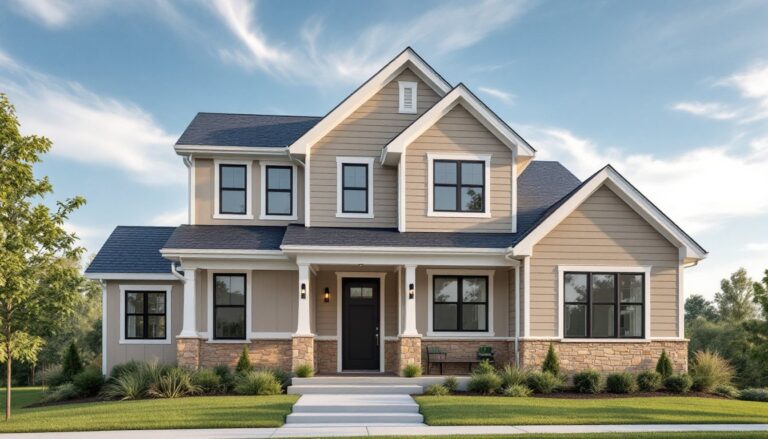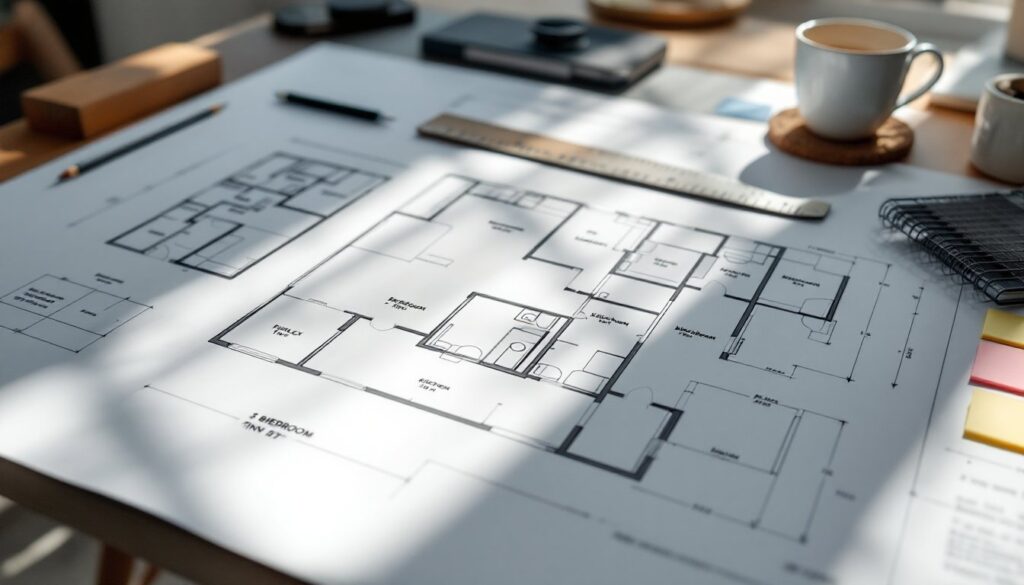
Building or buying a tiny house doesn’t mean sacrificing space for growing families. With thoughtful design, a 3 bedroom tiny house can comfortably sleep five or more while staying under 1,000 square feet. The key lies in maximizing every inch through multi-functional rooms, vertical space, and clever storage solutions. Whether planning a permanent dwelling, an ADU (accessory dwelling unit), or a vacation cabin, these floor plans prove that compact living and family comfort aren’t mutually exclusive. This guide breaks down practical layouts, design principles, and space-saving strategies that make 3 bedroom tiny homes work.
Table of Contents
ToggleKey Takeaways
- A 3 bedroom tiny house under 1,000 square feet costs 40–60% less to build than a traditional home while comfortably sleeping five or more family members.
- Open floor plans with 9–10 foot ceilings, multi-functional furniture, and strategic natural light prevent compact spaces from feeling cramped.
- Pocket doors, Murphy beds, and built-in storage solutions maximize usable floor space in 3 bedroom tiny house layouts without sacrificing comfort.
- Single-level designs work best on wider lots and suit families with young children, while two-story configurations with loft bedrooms maximize vertical space on narrow urban lots.
- Local building codes, zoning regulations, and IRC standards (including IRC appendix Q for tiny houses) must be verified early in planning to avoid permitting delays.
Why Choose a 3 Bedroom Tiny House?
A 3 bedroom tiny house bridges the gap between ultra-compact micro-homes and traditional suburban houses. Families with two children, multi-generational households, or homeowners who need a dedicated office alongside sleeping quarters find this configuration hits the sweet spot.
Cost savings are significant. Building a 600–900 square foot structure with three bedrooms typically costs 40–60% less than a comparable traditional home, depending on finishes and regional labor rates. Lower utility bills follow, heating and cooling a sub-1,000-square-foot space cuts energy consumption dramatically, especially with proper insulation and efficient HVAC systems.
Zoning flexibility makes these homes attractive as ADUs. Many municipalities now allow accessory dwelling units on single-family lots, and a 3 bedroom layout can house aging parents, adult children, or generate rental income. Check local IRC appendix Q standards for tiny house regulations, which vary by jurisdiction.
Maintenance becomes manageable. Less square footage means less time spent cleaning, fewer materials to replace, and simplified systems. For DIYers, tackling repairs or upgrades on a smaller footprint is far less daunting than wrestling with a 2,500-square-foot house.
The trade-off? Storage requires discipline, and shared spaces demand thoughtful design to avoid feeling cramped. But for families prioritizing financial freedom, simplified living, or eco-conscious footprints, these compromises are worthwhile.
Essential Design Principles for 3 Bedroom Tiny Homes
Successful 3 bedroom tiny house plans follow specific design rules that prevent the space from feeling like a cramped shoebox.
Open floor plans are non-negotiable. Combining kitchen, dining, and living areas into one continuous space creates sight lines and airflow. Avoid full-height walls between common areas, half-walls, open shelving, or furniture groupings define zones without chopping up square footage.
Ceiling height matters. Standard 8-foot ceilings work, but 9- or 10-foot ceilings (or vaulted designs) make rooms feel exponentially larger. If incorporating loft bedrooms, ensure at least 42 inches of headroom in sleeping areas per IRC requirements. This may require raising the overall structure or limiting loft use to children’s rooms.
Multi-functional spaces multiply usable area. A dining table that folds into the wall, a living room that converts to a guest bedroom via Murphy bed, or a hallway that doubles as a home office with built-in desk, these aren’t luxury features, they’re necessities. Plan furniture and built-ins during the design phase, not as afterthoughts.
Natural light amplifies perception. Install larger windows (24×36-inch or bigger) on at least two walls per room. South-facing glazing provides passive solar heating in cold climates, though you’ll need proper overhangs to prevent summer overheating. Skylights or clerestory windows add overhead light without sacrificing wall space for storage.
Circulation paths need attention. Hallways should be 36 inches minimum for comfortable passage: 42 inches is better for wheelchair accessibility. In tight layouts, consider pocket doors or barn-style sliders that don’t require swing clearance. Every door that swings into a room eats functional floor space.
Don’t skip structural planning. If designing a two-story layout, work with an engineer or architect to size floor joists properly, 2×10 joists at 16-inch centers handle most residential loads, but loft bedrooms may require 2×12s depending on span. Load-bearing walls can’t be moved without serious consequences, so identify them early.
Popular 3 Bedroom Tiny House Floor Plan Layouts
Single-Level Open Concept Plans
Single-story designs work best on wider lots (minimum 24 feet wide for comfortable bedroom placement) and suit families with young children or mobility concerns. The typical layout runs 600–800 square feet.
The classic configuration places the primary bedroom at one end (10×12 feet), two smaller bedrooms (8×10 feet each) at the opposite end, with communal living space in between. Bathrooms sit centrally to serve all bedrooms without long hallway runs, saves on plumbing costs and materials.
An L-shaped variation positions bedrooms along one leg, living areas along the other, creating a private courtyard or patio in the crook. This layout excels for narrow urban lots where side setbacks are tight. The separation between sleeping and living zones reduces noise transfer, critical when parents’ schedules don’t match kids’ bedtimes.
Storage in single-level plans relies on built-in closets, under-bed drawers, and wall-mounted shelving. There’s no basement or attic, so every bedroom needs minimum 4 feet of closet rod or equivalent wardrobe solutions. Consider bump-outs or shed dormers to add closet depth without expanding the main footprint, this often doesn’t trigger setback violations if kept under specific dimensions (check local codes).
Wheelchair accessibility is achievable in single-level designs. Doorways need 32-inch clear width minimum, and a 5-foot turning radius in at least one bathroom. Skip the step-up entry: pour a slab foundation with proper grading for roll-in access.
Two-Story Configurations with Loft Bedrooms
Two-story plans maximize vertical space on compact lots. Total square footage runs 700–900 square feet across both levels, with the upper floor typically 300–400 square feet. Many modern home designs use vertical layouts to create breathing room in tight urban footprints.
The most efficient setup puts communal areas (kitchen, living, dining, one full bath) on the main floor with one bedroom, often the primary suite or a bedroom for someone who can’t manage stairs. Two additional bedrooms and a half-bath occupy the second floor.
Loft bedrooms (accessed by ladder or steep stairs) work for kids or guests but aren’t suitable primary sleeping quarters for most adults. Full-height second-story bedrooms with proper stairs are safer and more comfortable. Stairs eat 25–35 square feet per floor, so choose wisely: straight runs are simplest to build, but L-shaped or winder stairs fit tighter footprints.
Stair code is strict. Treads must be minimum 10 inches deep, risers no more than 7.75 inches high, and handrails required on at least one side. Loft ladders are exempt from some rules but must be secured properly, alternating tread stairs (ship’s ladders) are a middle ground, taking less space than full stairs while being easier than vertical ladders.
Floor framing between levels needs adequate soundproofing. Standard 2×10 joists with 5/8-inch plywood subfloor and R-19 batt insulation in joist bays cut noise transmission. Add a layer of 1/2-inch drywall to the ceiling below for even better sound dampening, walking kids at 6 AM won’t wake parents below.
Two-story designs often feel less cramped than single-level plans of equal square footage because vertical separation creates psychological space. The trade-off is higher material and labor costs (second-floor framing, additional stairs, more complex roofline) and challenges running HVAC efficiently to both levels.
Space-Saving Features to Maximize Your Floor Plan
Smart built-ins and fixtures turn marginal spaces into functional areas. These features separate successful tiny house plans from cramped ones.
Murphy beds or fold-down bunks in secondary bedrooms free floor space during the day. Wall-mounted desks (hinged at 24–30 inches deep) provide workspaces that disappear when not needed. Look for gas-piston lift systems that handle weight without slamming, cheaper spring mechanisms fail quickly.
Pocket doors reclaim the 8–10 square feet lost to traditional door swings. Install them between bedrooms and bathrooms, or separating the primary suite from common areas. They require 2×6 framing to accommodate the sliding door hardware, so plan during rough-in, not as an afterthought. Soft-close hardware ($40–80 per door) prevents finger pinches and loud slams.
Stacked washer-dryer units fit in closets as narrow as 27 inches wide. Ventless heat-pump dryers eliminate the need for exterior venting, useful when the utility closet sits in the home’s center. Some compact living strategies prioritize combo washer-dryer units to save even more space in tight floor plans.
Built-in storage benches along walls or under windows serve triple duty: seating, storage, and visual definition of spaces. Size them at 18 inches deep and 18 inches high for comfortable seating. Hinged tops provide access to bins, off-season clothing, or toys.
Corner sinks and toilets recover dead space in bathrooms. A corner-mounted vanity with triangular countertop wastes less room than a standard 24-inch-deep cabinet. Wall-hung toilets save 6–8 inches of floor depth and simplify cleaning.
Vertical storage is underutilized in most homes. Install shelving to within 12 inches of the ceiling, yes, you’ll need a step stool, but that top shelf is perfect for seasonal items. Pegboard walls in bedrooms or mudrooms hold everything from tools to backpacks without requiring bulky furniture.
Underfloor storage works in homes built on piers or crawlspace foundations. Trap doors in the floor (secured with child-safe latches) access bins of holiday decorations, camping gear, or bulk pantry items. This approach doesn’t work with slab foundations unless you’re willing to dig, not recommended.
Slide-out pantry units fit into the 6-inch gap between appliances or at the end of a cabinet run. These narrow vertical cabinets on tracks hold surprising amounts of canned goods and spices. Commercial versions cost $150–400, or build your own with full-extension drawer slides rated for 100 pounds and 1×6 framing.
Realistic construction techniques ensure these features integrate structurally. Cutting floor joists for trap doors requires headers and additional blocking, don’t wing it. Wall-hung toilets need proper backing (2×10 blocking between studs) to support 500+ pounds safely.
Conclusion
Three bedroom tiny house floor plans deliver family-friendly living without the burden of excessive square footage. Success hinges on intentional design: vertical space, multi-functional furniture, and eliminating wasted circulation. Whether opting for a single-level layout or two-story configuration, each choice involves trade-offs in cost, accessibility, and livability. Run your plans by local building officials early, permitting surprises derail projects fast. With careful planning and the space-saving strategies above, compact doesn’t have to mean cramped.