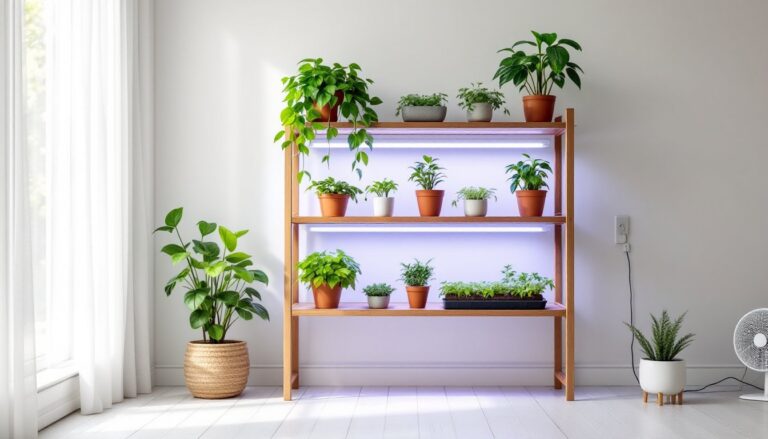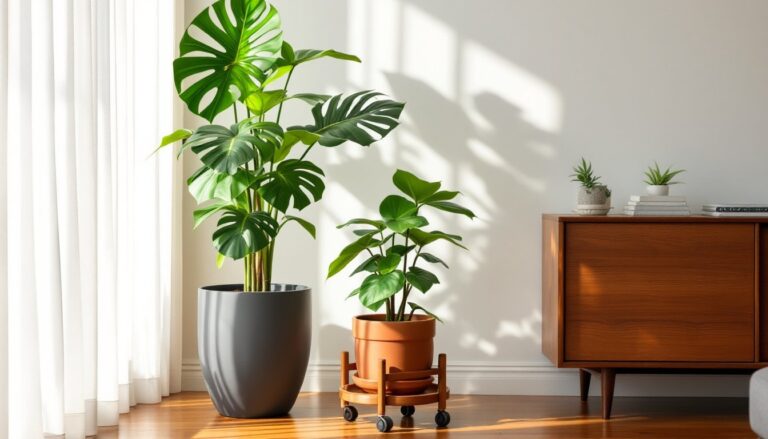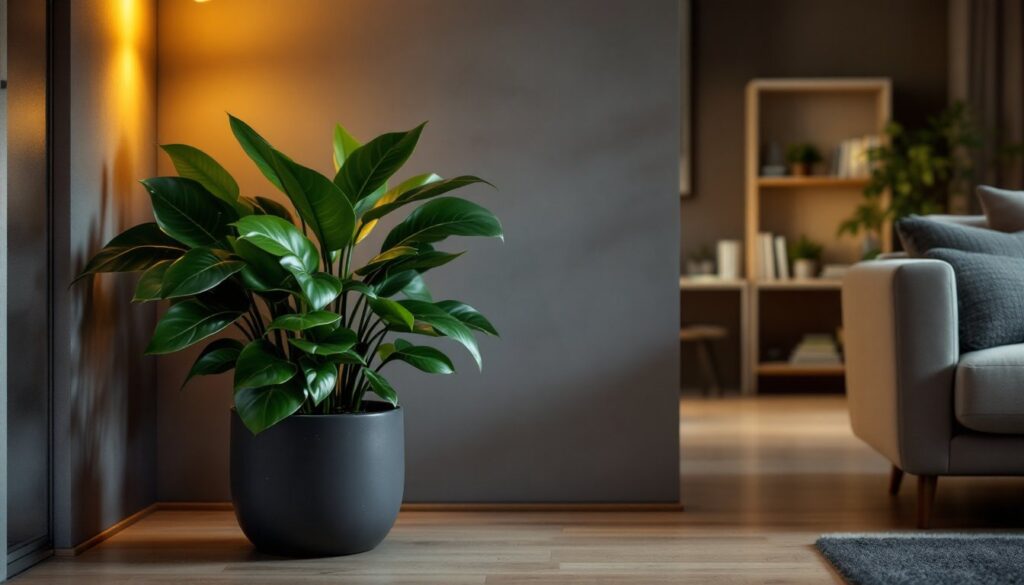
Not every home has south-facing windows or skylight-flooded sunrooms. Basements, bathrooms, hallways, and north-facing bedrooms often get labeled as “plant-free zones”, but that’s a myth. Dozens of houseplants thrive in low-light conditions, tolerating everything from dim corners to fluorescent office lighting. These aren’t scraggly survivors limping along in the dark. Many low-light plants boast bold foliage, architectural shapes, and near-bulletproof care requirements. Whether someone’s furnishing a windowless powder room or filling empty floor space beside a bookcase, the right plant can add life without demanding a sun-drenched perch.
Table of Contents
ToggleKey Takeaways
- House plants that don’t need sun thrive in low-light environments of 50–100 foot-candles and can transform bathrooms, basements, hallways, and offices into green spaces without requiring direct sunlight.
- Snake plants, pothos, and ZZ plants are bulletproof low-light houseplants for beginners, tolerating inconsistent watering and infrequent care while cleaning air and adding visual interest to dim spaces.
- Low-light plants evolved under rainforest canopies with thick, waxy leaves and efficient root systems that store water, making them more forgiving of missed watering than sun-loving tropical plants.
- Cast iron plants are nearly indestructible shade-tolerant options that survive temperature swings, dry air, and neglect while remaining non-toxic to pets, making them ideal for homes with animals.
- House plants that don’t need sun grow slowly and require minimal maintenance like pruning or repotting, perfect for renters, busy professionals, and anyone prioritizing low-maintenance décor.
- Beyond survival, shade-tolerant houseplants function as design tools—sculptural accents in hallways, spa-like bathroom ambiance, and architectural focal points that add life to windowless spaces.
Why Low-Light Plants Are Perfect for Your Home
Low-light plants evolved under rainforest canopies or forest floors, where sunlight filters through layers of leaves before reaching them. This natural adaptation makes them ideal for indoor spaces that never see direct sun. A north-facing room, an interior bathroom with no windows, or a corner office lit only by overhead LEDs all qualify as low-light environments, typically measuring 50–100 foot-candles or roughly 500–1,000 lux.
These plants also tolerate inconsistent watering better than their sun-loving counterparts. Most low-light species have thick, waxy leaves or rhizomatic root systems that store water, so they forgive the occasional missed watering. That resilience makes them beginner-friendly and ideal for anyone juggling a busy schedule.
Another practical advantage: slower growth rates. While sun-hungry tropicals require frequent repotting and aggressive pruning, shade-tolerant plants grow at a measured pace. They’ll hold their shape for months without constant maintenance, making them perfect for decorating rentals, offices, or any space where plant care isn’t a daily priority.
From a design perspective, low-light plants open up decorating options that bright-light species can’t match. A sculptural plant in a dim hallway can anchor the space without competing for window real estate. Bathrooms gain spa-like ambiance. Basements feel less dungeon-like. These plants aren’t afterthoughts, they’re design tools that work in spaces where nothing else will.
Best Low-Light House Plants for Complete Beginners
Some plants practically dare you to kill them. The species below survive neglect, forgive missteps, and grow reliably even in rooms with minimal natural light.
Snake Plant (Sansevieria)
Snake plants (now reclassified as Dracaena trifasciata, though most nurseries still use the old name) are the gold standard for low-maintenance, low-light houseplants. Their upright, sword-shaped leaves grow 1–4 feet tall depending on the variety, and they’ll tolerate everything from a windowless bathroom to a fluorescent-lit cubicle.
Water only when the soil dries completely, every 2–3 weeks in most homes, longer in winter. Overwatering causes root rot, the only common way to kill a snake plant. Use a well-draining potting mix (cactus mix works well) and a pot with drainage holes. The plant stores water in its thick leaves, so it handles drought better than it handles soggy roots.
Snake plants also clean indoor air by converting CO₂ to oxygen at night, making them a smart pick for bedrooms. They’re mildly toxic to pets if ingested, so keep them out of reach if cats or dogs tend to chew greenery. Expect slow but steady growth, one or two new leaves per growing season in low light.
Pothos (Devil’s Ivy)
Pothos (Epipremnum aureum) is the vining workhorse of the houseplant world. It tolerates low light, inconsistent watering, and average household humidity without complaint. Heart-shaped leaves emerge in shades of green, golden-yellow, or variegated cream depending on the cultivar. In low light, variegation fades slightly, but the plant remains healthy and vigorous.
Pothos works equally well as a trailing plant on a shelf, a climber on a moss pole, or a cascading accent in a hanging basket. Stems can grow several feet long: trim them back anytime with clean scissors to control length or propagate new plants. Cuttings root easily in water, just snip below a node (the bump where leaves attach) and place the cutting in a jar.
Many home decor guides recommend pothos for beginners because it telegraphs its needs clearly. Leaves droop when it’s thirsty, then perk up within hours of watering. Water when the top 1–2 inches of soil feel dry, roughly once per week. Like snake plants, pothos is toxic to pets, so placement matters in homes with curious animals.
Stunning Low-Light Plants for Stylish Interiors
Once the basics are covered, these statement plants add architectural drama and visual weight to dim spaces. They’re still beginner-friendly, but their size and shape make them focal points rather than filler.
ZZ Plant (Zamioculcas Zamiifolia)
The ZZ plant looks expensive and high-maintenance, but it’s one of the toughest houseplants available. Glossy, dark green leaflets grow along upright stems that arch gracefully as they mature, creating a sculptural silhouette that works in modern, traditional, or minimalist interiors. Mature plants reach 2–3 feet tall and wide, making them ideal floor plants for corners, entryways, or beside furniture.
ZZ plants grow from thick rhizomes that store water underground, so they tolerate drought exceptionally well. Water only when the soil is completely dry, every 2–4 weeks depending on conditions. In low light, they may go a month or more between waterings. Overwatering is the primary failure point: yellow leaves usually signal too much moisture.
Use a chunky potting mix with added perlite or orchid bark to ensure fast drainage. The plant grows slowly in low light (expect 1–2 new stems per year), but it requires almost no maintenance beyond occasional dusting of the leaves. All parts of the plant contain calcium oxalate crystals, which cause irritation if ingested, so handle with care around pets and children.
Cast Iron Plant (Aspidistra Elatior)
If the name didn’t give it away, the cast iron plant earned its reputation by surviving conditions that would kill most houseplants. Victorian-era homes, drafty, gas-lit, and smoky, couldn’t faze it. Modern homes are a breeze by comparison.
Cast iron plants produce long, dark green leaves that emerge directly from the soil, forming a dense clump 1–2 feet tall. The foliage has a subtle elegance that complements classic home design without demanding attention. There’s also a variegated form with white or cream stripes, though it’s slightly less tolerant of deep shade.
This plant tolerates neglect, temperature swings, and dry air. It grows slowly, sometimes adding only 2–3 leaves per year in low light, but it’s nearly indestructible once established. Water when the top half of the soil feels dry, roughly every 1–2 weeks. It tolerates brief dry spells without issue. The plant has no serious pest or disease problems and doesn’t require fertilizer, though a diluted application of balanced liquid fertilizer (like 10-10-10) once in spring can encourage slightly faster growth.
Cast iron plants thrive in temperatures between 50–85°F, so they’re fine in unheated mudrooms, cool basements, or drafty hallways where other plants struggle. They’re also non-toxic to pets, making them one of the safest choices for homes with animals.