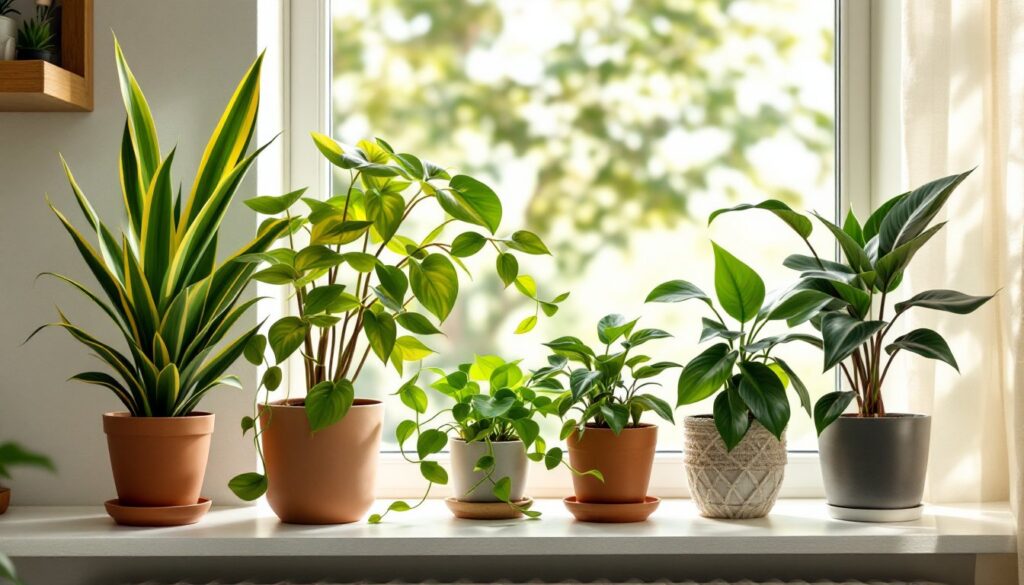
Not every DIYer has a green thumb, and that’s okay. Starting an indoor garden doesn’t require years of horticultural experience or a degree in botany, it just requires choosing plants that can handle a little neglect and forgive a few beginner mistakes. The right house plant will survive inconsistent watering, tolerate low light, and bounce back from the occasional forgotten feeding. This guide covers seven proven varieties that thrive under real-world conditions, not Pinterest-perfect greenhouse scenarios. Whether you’re dealing with a dimly lit apartment or simply want something that won’t die during a busy work week, these plants will deliver.
Table of Contents
ToggleKey Takeaways
- Best house plants for beginners tolerate low light, infrequent watering, and environmental inconsistencies without requiring constant care or horticultural expertise.
- Snake plants and ZZ plants are virtually indestructible and thrive on neglect, making them ideal for forgetful waterers and frequent travelers who need low-maintenance house plants.
- Pothos vines easily propagate from cuttings in water and adapt to various light conditions, helping beginners build confidence before moving to more demanding species.
- Spider plants and peace lilies signal when they need water through visual cues (drooping leaves), eliminating guesswork and teaching beginners to recognize plant stress.
- Starting with forgiving varieties that survive inconsistent care builds fundamental skills like recognizing moisture levels and seasonal watering changes, preparing you for more complex plants.
Why Beginners Should Start with Low-Maintenance House Plants
The difference between a thriving indoor garden and a collection of brown, crispy leaves usually comes down to plant selection. Beginners often fail because they choose high-maintenance tropicals that demand precise humidity levels, constant watering schedules, and specific light conditions. That’s a setup for frustration.
Low-maintenance plants tolerate environmental inconsistencies. They can handle the dry air from HVAC systems, survive a missed watering or two, and adapt to the lower light levels common in most homes. These aren’t just “starter” plants, many experienced gardeners keep them because they’re reliable and hard to kill.
Starting with forgiving varieties builds confidence and teaches the basics: how often to water, how to recognize signs of stress, and how soil moisture changes with the seasons. Once those fundamentals are solid, moving to more demanding species becomes manageable. Skip the trial-by-fire approach and start with plants that actually want to live.
Snake Plant: The Indestructible Air Purifier
Snake plant (Sansevieria trifasciata, also sold as Dracaena trifasciata) is the closest thing to a bulletproof houseplant. It tolerates low light, infrequent watering, and a wide range of temperatures. The thick, upright leaves store water, so the plant can go weeks without a drink, making it ideal for forgetful waterers or frequent travelers.
This plant thrives in indirect light but will survive in corners far from windows. Water only when the soil is completely dry, typically every 2–4 weeks depending on humidity and pot size. Overwatering is the only real threat: snake plants are susceptible to root rot if left sitting in soggy soil. Use a well-draining potting mix (cactus or succulent blend works well) and pots with drainage holes.
Snake plants also pull double duty as air purifiers. NASA’s Clean Air Study identified them as effective at filtering formaldehyde, benzene, and other volatile organic compounds from indoor air. They’re one of the few plants that release oxygen at night, making them a solid choice for bedrooms.
Varieties range from compact ‘Hahnii’ (bird’s nest snake plant) that tops out around 6–8 inches to tall ‘Laurentii’ cultivars that can reach 3–4 feet. All share the same low-maintenance traits.
Pothos: The Forgiving Trailing Plant
Pothos (Epipremnum aureum) is the plant equivalent of a Labrador, friendly, adaptable, and nearly impossible to mess up. It grows fast, tolerates low light, and will tell you when it needs water by letting its leaves droop slightly (they perk right back up within hours of watering).
Pothos works in hanging baskets, on shelves, or trained up a moss pole. The vines can grow several feet long, and regular pruning keeps them bushy. Those cuttings root easily in water, so one plant can become a dozen without spending another dime. Just snip below a node (the small bump where leaves attach), stick it in a jar of water, and wait for roots to develop in 1–2 weeks.
This plant adapts to a range of light conditions. It’ll grow faster in bright, indirect light but survives in low-light spaces like bathrooms or offices with only fluorescent lighting. The variegation (yellow or white markings on the leaves) may fade in low light, but the plant stays healthy. Water when the top 1–2 inches of soil feel dry, usually once a week, though less in winter when growth slows.
Some experts rank pothos among the most resilient houseplants for beginners due to its ability to bounce back from neglect. Safety note: Pothos is toxic to cats and dogs if ingested, so keep it out of reach if you have curious pets.
ZZ Plant: Thrives on Neglect
The ZZ plant (Zamioculcas zamiifolia) has become a go-to for modern interiors, and for good reason, it genuinely thrives on neglect. The thick, glossy leaves and underground rhizomes store water and nutrients, allowing the plant to survive extended dry spells. It’s the plant to choose if you travel frequently or simply forget to water.
ZZ plants tolerate extremely low light, though they’ll grow faster and produce more vibrant foliage in medium to bright indirect light. They’re also unbothered by the low humidity typical in homes with central heating or air conditioning. Water sparingly, once every 2–3 weeks in spring and summer, even less in fall and winter. The rhizomes will rot if kept too wet, so err on the side of underwatering.
These plants grow slowly but steadily, reaching 2–3 feet tall at maturity. They rarely need repotting and tolerate being rootbound better than most houseplants. When you do repot (every 2–3 years), use a well-draining potting mix and a pot only slightly larger than the previous one.
Raven ZZ is a newer cultivar with deep purple-black foliage that emerges bright green and darkens over time. It has the same care requirements as the standard green variety. Both are mildly toxic if ingested, so handle with care around kids and pets and wash hands after handling the sap.
Spider Plant: Fast-Growing and Pet-Friendly
Spider plants (Chlorophytum comosum) are classic starter plants for a reason, they grow quickly, produce baby plantlets (spiderettes) that are easy to propagate, and they’re non-toxic to pets. The arching, grass-like leaves are striped with white or yellow, depending on the variety, and they look great in hanging baskets or on pedestals.
These plants prefer bright, indirect light but tolerate lower light conditions. They’ll produce more spiderettes and stronger variegation with adequate light. Water when the top inch of soil dries out, typically once a week. Spider plants have tuberous roots that store water, so they can handle occasional missed waterings without major drama.
Brown leaf tips are common and usually indicate low humidity, fluoride in tap water, or salt buildup from fertilizer. Switching to distilled or rainwater and trimming off the brown tips with clean scissors keeps them looking tidy. Fertilize lightly during the growing season (spring and summer) with a balanced, water-soluble fertilizer diluted to half strength.
Many beginner-friendly houseplant guides highlight spider plants because they signal when they need attention without dying dramatically. The spiderettes can be left attached for a cascading look or snipped off and rooted in water or soil to share with friends.
Peace Lily: Beautiful Blooms with Minimal Effort
Peace lilies (Spathiphyllum) stand out because they actually flower indoors without grow lights or complicated care routines. The white, sail-shaped blooms (technically spathes, not true flowers) emerge several times a year and last for weeks. Even when not blooming, the glossy, dark green leaves provide a lush, tropical look.
Peace lilies are excellent communicators. The leaves droop noticeably when the plant needs water, then perk back up within hours of watering, making them ideal for beginners still learning to read plant signals. Water when the soil surface feels dry and the leaves just start to sag. They prefer consistently moist (not soggy) soil during the growing season.
These plants thrive in low to medium indirect light, though brighter light encourages more blooms. They tolerate the low-light conditions of offices and north-facing rooms better than most flowering plants. Resources like The Spruce often recommend peace lilies for spaces where other blooming plants struggle.
Peace lilies are sensitive to chlorine and fluoride in tap water, which can cause brown leaf tips. Let tap water sit overnight before using, or switch to filtered water. They also appreciate higher humidity, misting occasionally or placing the pot on a pebble tray with water helps, though it’s not required.
Important: Peace lilies are toxic to cats, dogs, and humans if ingested. Keep them out of reach of pets and children. Wear gloves when handling if you have sensitive skin, as the sap can cause irritation.
Conclusion
Starting with the right plants makes all the difference. These seven varieties handle real-world conditions, inconsistent watering, average light, and typical home humidity, without constant intervention. Pick one or two, learn their rhythms, and expand from there. You’ll build the skills and confidence to tackle more demanding species down the road.