The front yard is the first impression your home makes, and plants do most of that heavy lifting. A thoughtful plant selection can soften harsh foundation lines, add year-round color, and boost property value without a full hardscape overhaul. But choosing the wrong plants? That’s wasted money, weekend after weekend spent replacing dead shrubs, and a front yard that looks more neglected than inviting. This guide walks through practical, regionally adaptable plant choices that work with your home’s architecture, sun exposure, and maintenance tolerance, not against them.
Table of Contents
ToggleKey Takeaways
- Landscaping plants for the front of your house should match your home’s architectural style, scale, and local climate zone to ensure long-term success and property value.
- Evergreens like boxwood and arborvitae provide year-round structure, while flowering shrubs such as hydrangeas and landscape roses deliver seasonal color with varying maintenance demands.
- Assess sun exposure (6+ hours for full sun, 3–6 hours for part shade) and soil drainage before selecting plants, as mismatched conditions lead to weak growth and disappointing results.
- Perennials and ornamental grasses offer low-maintenance alternatives to shrubs, reducing mulch visibility and lawn dependency while tolerating regional rainfall once established.
- Consult your local county extension office for regionally specific plant recommendations rather than relying on generic advice, as what thrives in one climate can fail completely in another.
Why Front Yard Plant Selection Matters
Front yard plants serve three core functions: they anchor the house visually, define property lines, and set maintenance expectations for the next 5–15 years. Poor choices compound quickly. Plant a fast-growing shrub too close to the foundation, and you’ll be pruning monthly or tearing it out in three years when it blocks windows. Choose sun-loving perennials for a north-facing bed, and they’ll limp along, looking sparse and sickly.
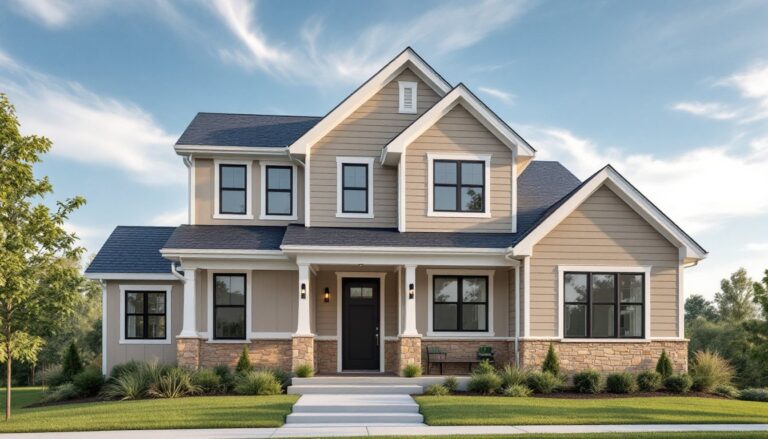
Start by assessing your home’s style and scale. A single-story ranch benefits from low, horizontal plantings that mirror the roofline. Two-story homes can handle taller foundation shrubs and layered beds without looking crowded. Take note of existing hardscape, walkways, driveways, utility boxes, and plan around them. Nothing kills curb appeal faster than a shrub swallowing the front steps.
Consider maintenance realistically. If you’re not interested in weekly deadheading or seasonal cutbacks, stick with low-maintenance evergreens and native grasses. If you enjoy hands-on gardening, flowering shrubs and perennial borders reward the effort with color rotation and texture changes throughout the season. Either approach works: mismatched expectations don’t.
Foundation Shrubs That Frame Your Home
Foundation plantings do the structural work in front yard design. They soften the transition between house and ground, hide exposed concrete or crawl space vents, and provide backdrop for smaller plants. The key is selecting shrubs that mature at a height and width appropriate for the space, typically 3–5 feet tall for under windows, 5–8 feet for corners and empty walls.
Evergreen Options for Year-Round Structure
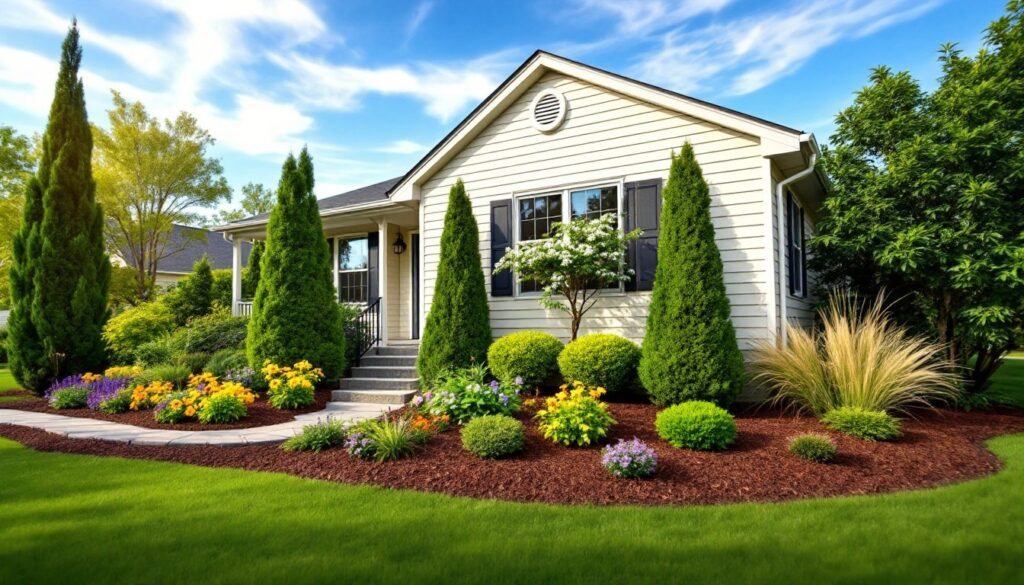
Evergreens provide consistent mass and color, even in winter. Boxwood (Buxus) is a classic choice for formal landscapes, tolerating shearing into tight hedges or geometric shapes. It grows slowly, about 3–6 inches per year, so it won’t overtake the foundation quickly. Plant varieties like ‘Green Velvet’ or ‘Winter Gem’ for cold hardiness in USDA zones 4–9.
Inkberry holly (Ilex glabra) is a native alternative with similar form but better disease resistance and lower water needs. It handles wet soils and shade better than boxwood, making it suitable for north-facing foundations or areas with poor drainage. Prune annually to maintain shape: left unpruned, it reaches 6–8 feet.
Dwarf conifers like ‘Emerald Green’ arborvitae or dwarf Alberta spruce add vertical interest without overwhelming smaller homes. Arborvitae grows in a narrow, upright column (3–4 feet wide, 10–12 feet tall at maturity), ideal for flanking entryways. Be aware: deer browse arborvitae heavily in winter. If deer pressure is high, substitute with juniper varieties like ‘Blue Star’ or ‘Sea Green,’ which deer typically avoid.
Flowering Shrubs for Seasonal Color
Flowering shrubs require more pruning and cleanup than evergreens but deliver color in waves. Hydrangeas are front-yard staples, especially newer reblooming varieties like ‘Endless Summer’ that flower on both old and new wood. They thrive in part shade and need consistent moisture, plan on supplemental watering during dry spells. Blooms range from blue to pink depending on soil pH (acidic soils produce blue flowers, alkaline soils shift them pink).
Roses, specifically shrub roses or landscape roses like Knock Out or Drift series, are lower-maintenance than hybrid teas and provide months of color. Landscape roses are typically disease-resistant, require minimal deadheading, and don’t need winter protection in zones 5–9. Space them 3 feet apart to allow airflow and reduce black spot or powdery mildew.
Spireas (Spiraea) bloom in spring or summer depending on variety, with mounding forms that stay compact (2–4 feet). ‘Goldflame’ spirea adds foliage interest with red-tipped new growth, while ‘Bridal Wreath’ offers cascading white flowers in May. Cut back spent blooms to encourage a second flush and maintain shape.
Perennials and Grasses for Low-Maintenance Impact
Perennials and ornamental grasses fill gaps, add texture, and reduce mulch visibility without the commitment of woody shrubs. They die back in winter in most climates but return reliably each spring with minimal care. For front yards, choose varieties that hold their form through the season and don’t require staking.
Daylilies (Hemerocallis) are nearly indestructible, tolerating poor soil, drought, and neglect while blooming for weeks. They spread slowly via rhizomes and can be divided every few years. Modern cultivars bloom in colors beyond the classic orange, burgundy, yellow, pink, and near-white varieties are widely available. Plant in full sun for best flowering: they’ll survive in part shade but produce fewer blooms.
Coneflowers (Echinacea) and black-eyed Susans (Rudbeckia) are native perennials that attract pollinators and handle heat and drought once established. Both self-seed moderately, which can be an asset (free plants) or a nuisance (weeding out volunteers). Deadhead spent blooms if you want to control spread, or leave seed heads through winter for birds and structural interest.
Ornamental grasses like ‘Karl Foerster’ feather reed grass or ‘Hameln’ fountain grass add movement and vertical contrast. They’re low-water once established, require only one annual cutback (in late winter before new growth emerges), and provide four-season interest. ‘Karl Foerster’ is especially reliable, hardy in zones 4–9, and stays upright through snow and ice. Avoid running grasses like ribbon grass or large species like maiden grass (Miscanthus) in small front beds, they spread aggressively or grow too tall (6+ feet) for typical foundation plantings.
Hostas work well in shaded front beds, offering bold foliage texture in green, blue, chartreuse, or variegated patterns. They’re slug magnets in humid climates, so mulch with coarse material (shredded bark or pine needles) rather than fine compost, and consider slug bait or beer traps if damage is severe. Many front garden landscapes incorporate mixed perennial borders to reduce lawn dependency and maintenance time.
Choosing Plants Based on Your Climate and Sunlight
No plant list is universal. What thrives in Seattle drowns in Phoenix: what flourishes in Charleston freezes in Minneapolis. Match plants to your USDA hardiness zone (find yours at USDA.gov) and local microclimate, south-facing walls are hotter and drier, north-facing beds stay cooler and shadier.
Full sun means 6+ hours of direct sunlight daily. In hot climates (zones 8–10), “full sun” can stress plants that prefer cooler northern summers. Afternoon shade helps roses, hydrangeas, and hostas survive southern heat. In northern zones (3–5), maximize sun exposure for flowering shrubs to ensure bud set.
Part shade (3–6 hours of sun, or dappled light all day) suits most foundation beds, especially those on east or north sides of the house. Hydrangeas, hostas, and ferns thrive here. Avoid planting sun-lovers like roses or coneflowers in part shade, they’ll stretch toward light, flop over, and bloom poorly.
Soil drainage matters as much as sun. Dig a test hole 12 inches deep, fill it with water, and see how long it takes to drain. If water sits for more than 4 hours, you have slow drainage, consider raised beds, amending with compost and coarse sand, or choosing plants that tolerate wet feet (inkberry holly, switchgrass, river birch). Sandy soils drain fast and need frequent watering or drought-tolerant species like yucca, Russian sage, or sedum.
Local extension offices (find yours through your state university) provide regionally specific plant lists and soil testing. They’re free or low-cost and far more reliable than generic online advice. Many home design resources and regional gardening guides offer climate-specific plant recommendations, but ground-truthing with your county extension avoids costly mismatches.
Water availability also shapes plant choice. If you’re on well water or in a drought-prone area, prioritize native plants and xeric species. Once established (typically 1–2 years), they’ll survive on rainfall alone. If you’re willing to run irrigation or hand-water weekly, your options expand significantly, but budget time and cost accordingly.
Conclusion
Front yard planting isn’t about trends, it’s about choosing plants that match your home’s scale, your region’s climate, and your willingness to maintain them. Evergreens provide year-round structure, flowering shrubs add seasonal peaks, and perennials fill gaps with color and texture. Get the sun exposure and drainage right, and most plants will thrive with minimal fuss. Ignore those factors, and no amount of fertilizer or wishful thinking will compensate.