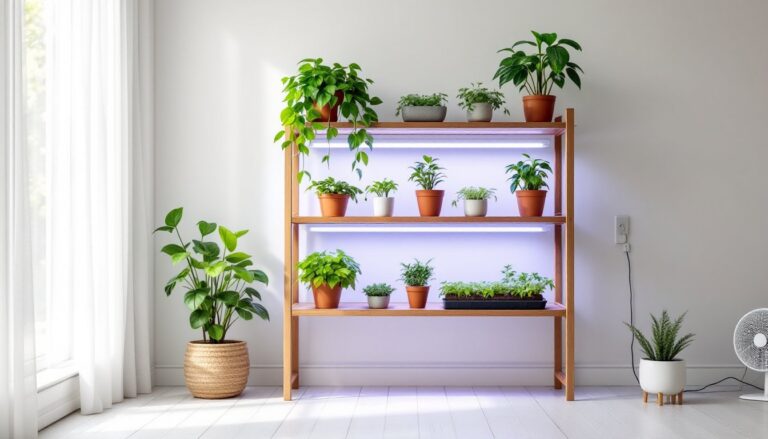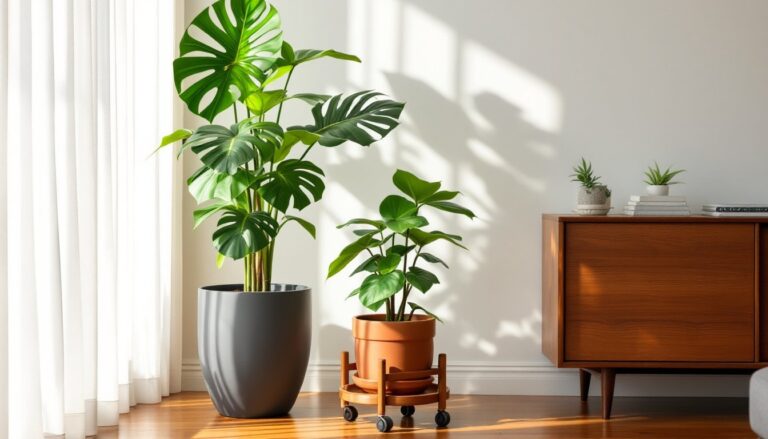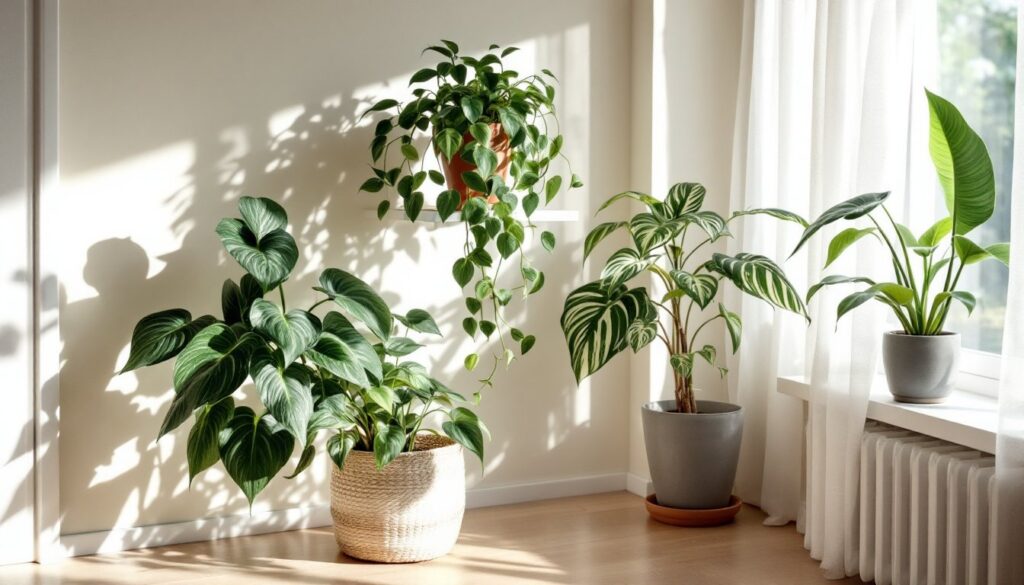
Jumping into the world of house plants for beginners doesn’t require a green thumb, just the right starter species. Many first-timers kill their plants not through neglect, but through overwatering, wrong placement, or choosing high-maintenance varieties. The good news? A handful of beginner indoor plants tolerate inconsistent care, low light, and the occasional missed watering. They’re forgiving, resilient, and grow reliably in typical home conditions. This guide covers seven easy house plants for beginners, each selected for its ability to thrive even though common rookie mistakes. No Pinterest fluff, just practical picks that actually survive.
Table of Contents
ToggleKey Takeaways
- Best indoor plants for beginners like pothos, snake plants, and ZZ plants tolerate inconsistent watering, low light, and neglect, making them ideal for learning plant care.
- Overwatering is the leading cause of plant failure for beginners; most indoor plants require soil to dry completely between waterings to prevent root rot.
- Snake plants and ZZ plants are the most low-maintenance options, surviving in low-light environments and needing water only every 2-3 weeks or less.
- Peace lilies and spider plants actively purify indoor air by removing toxins like formaldehyde and benzene, adding functional benefits beyond decoration.
- Choosing plants suited to your actual light conditions—not wishful thinking—and understanding proper drainage and soil types prevents most beginner plant deaths.
- Starting with hardy, forgiving plants builds confidence and the skills needed to graduate to more demanding varieties like fiddle-leaf figs or calatheas.
Why Indoor Plants Are Perfect for First-Time Plant Parents
Indoor plants offer measurable benefits beyond decoration. They improve air quality by filtering volatile organic compounds (VOCs) like formaldehyde and benzene, compounds commonly found in paints, carpets, and furniture. According to NASA’s Clean Air Study, certain species remove up to 87% of airborne toxins in 24 hours.
For beginners, the appeal is practical: indoor plants don’t require yard space, irrigation systems, or seasonal adjustments. Most thrive in containers with standard potting mix, fitting on windowsills, desks, or shelves. They’re low-commitment projects that deliver visible growth within weeks.
The learning curve is gentle. Unlike outdoor gardens affected by frost dates, soil pH, and pests, indoor plants operate in controlled environments. Temperature stays consistent, and watering schedules are predictable. Mistakes, like overwatering or placing a plant in too much sun, become obvious fast, making it easier to correct course.
Starting with hardy species builds confidence. Once you’ve kept a pothos alive for six months, moving to fussier plants like fiddle-leaf figs or calatheas feels less intimidating. Think of beginner plants as the equivalent of learning to cut straight lines before attempting compound miter joints.
Snake Plant (Sansevieria): The Nearly Indestructible Houseplant
Snake plants tolerate neglect better than almost any other houseplant. They survive in low light, need watering only every 2-3 weeks, and handle dry indoor air without wilting. The thick, upright leaves store water like a cactus, so missing a watering cycle won’t kill it.
Light Requirements: Thrives in indirect light but tolerates low-light corners and even fluorescent office lighting. Direct sun can scorch leaves, though it won’t kill the plant.
Watering: Let the soil dry completely between waterings. In winter, water once a month or less. Overwatering causes root rot, the only reliable way to kill a snake plant.
Soil & Potting: Use a well-draining cactus or succulent mix. Standard potting soil retains too much moisture. A 6-inch pot works for most starter plants: they grow slowly and don’t need frequent repotting.
Common Varieties: Sansevieria trifasciata (the classic green-and-yellow striped version) and Sansevieria cylindrica (round, spear-like leaves) are both beginner-friendly.
Snake plants propagate easily. Cut a leaf into 3-inch sections, let the cuts dry for a day, then stick them in moist soil. New plants sprout in 4-6 weeks. It’s a no-cost way to fill multiple rooms or give away starter plants.
Pothos: A Fast-Growing Trailing Plant for Any Room
Pothos (Epipremnum aureum) is the go-to trailing plant for beginners. It grows fast, up to 12 inches per month in ideal conditions, and adapts to nearly any indoor environment. The vines cascade from shelves or climb moss poles, making it versatile for small apartments or large living rooms.
Light Requirements: Tolerates low to bright indirect light. In low light, growth slows and variegation fades, but the plant survives. Bright, indirect light near an east or west window produces the fullest growth.
Watering: Water when the top 1-2 inches of soil feel dry. Pothos wilts dramatically when thirsty but perks up within hours of watering, a helpful visual cue for beginners. Overwatering causes yellowing leaves and root rot.
Soil & Potting: Standard potting mix works fine. Add perlite (about 20% by volume) to improve drainage if the soil stays soggy. A 6- to 8-inch hanging pot works for most starter plants.
Propagation: Cut a 4-6 inch stem section below a node (the bump where leaves attach). Place it in water, and roots appear in 1-2 weeks. Transfer to soil once roots reach 2 inches. It’s the easiest propagation method for any houseplant.
Pothos handles dry indoor air, inconsistent watering, and even occasional overwatering better than most plants. Foolproof indoor plants like pothos respond quickly to care changes, making them ideal for learning basic plant maintenance.
ZZ Plant: Low-Light Champion for Busy Homeowners
The ZZ plant (Zamioculcas zamiifolia) thrives in conditions that kill most houseplants: low light, infrequent watering, and low humidity. It’s the plant for windowless bathrooms, dim hallways, or offices with only overhead fluorescents.
Light Requirements: Grows in low to bright indirect light. It won’t flower or produce new shoots as quickly in low light, but it survives and maintains its glossy leaves. Avoid direct sun, which causes leaf burn.
Watering: Water every 2-3 weeks, allowing the soil to dry out completely between waterings. The rhizomes (thick underground stems) store water, so the plant can go a month or more without watering in cooler months. Yellowing leaves signal overwatering: wrinkled stems indicate underwatering (rare).
Soil & Potting: Use a well-draining mix, cactus soil or standard potting mix with added perlite. ZZ plants grow slowly and can stay in the same 8-inch pot for years without issue.
Toxicity Note: All parts of the ZZ plant contain calcium oxalate crystals, which irritate skin and mucous membranes. Wear gloves when handling or repotting, and keep it away from pets and kids who might chew leaves.
ZZ plants require almost no maintenance. Wipe dust off leaves every few months to keep them glossy, and fertilize once or twice a year with diluted liquid fertilizer. That’s it. For simple indoor plants that tolerate beginner mistakes, the ZZ plant ranks at the top.
Spider Plant: Air-Purifying and Easy to Propagate
Spider plants (Chlorophytum comosum) are classic starter plants for good reason. They grow quickly, produce plantlets (baby plants) that root easily, and actively filter indoor air pollutants like formaldehyde and xylene.
Light Requirements: Prefer bright, indirect light but tolerate low light. Variegated varieties (white-striped leaves) lose their stripes in low light, turning solid green. A north or east window works well.
Watering: Keep soil evenly moist but not soggy. Water when the top inch of soil dries out, usually once a week. Spider plants are sensitive to fluoride and chlorine in tap water, which cause brown leaf tips. Use filtered or distilled water, or let tap water sit overnight before using.
Soil & Potting: Standard potting mix in a 6- to 8-inch pot with drainage holes. Spider plants develop thick, tuberous roots that fill pots quickly. Repot every 1-2 years or when roots grow out of drainage holes.
Propagation: Spider plants produce long stems with small white flowers, followed by plantlets. Once a plantlet has small roots (visible as tiny nubs), snip it off and plant it in moist soil. It roots in 1-2 weeks. Alternatively, leave the plantlet attached and place it in a pot next to the parent plant, it roots while still connected.
Spider plants prefer slightly cooler temperatures (60-75°F) and don’t mind drafts, making them ideal for entryways or rooms with fluctuating temps.
Peace Lily: Beautiful Blooms with Minimal Effort
Peace lilies (Spathiphyllum) stand out among beginner plants because they bloom indoors, producing white spathes (modified leaves that look like petals) several times a year. They also signal when they need water by drooping dramatically, then perking up within hours of watering.
Light Requirements: Thrive in low to medium indirect light. They tolerate dim corners better than most flowering plants. Too much direct sun scorches leaves: too little light reduces blooming.
Watering: Water when the plant starts to droop slightly, usually once a week. Peace lilies prefer consistently moist (not soggy) soil. Drooping is a reliable indicator, but don’t let it become a habit: repeated wilting stresses the plant over time.
Soil & Potting: Use a standard potting mix with good drainage. A 6- to 10-inch pot works for most varieties. Peace lilies grow moderately fast and may need repotting every 1-2 years.
Toxicity Note: Like ZZ plants, peace lilies contain calcium oxalate crystals. Keep them out of reach of pets and children. Ingestion causes mouth irritation and digestive upset.
Blooming Tips: Feed with a balanced liquid fertilizer (10-10-10 NPK) every 4-6 weeks during spring and summer. Remove spent blooms by cutting the stem at the base to encourage new flowers.
Peace lilies also rank among the best air-purifying plants, removing ammonia, benzene, and formaldehyde from indoor air. For home decor ideas that combine function and aesthetics, a blooming peace lily delivers both.
Conclusion
Starting with forgiving plants builds the skills needed for more demanding species. Snake plants, pothos, ZZ plants, spider plants, and peace lilies tolerate inconsistent care, low light, and the learning curve that comes with any new project. Focus on proper watering, letting soil dry between waterings prevents most beginner failures, and choose plants suited to your actual light conditions, not wishful thinking. Once these thrive, you’ll have the confidence and experience to tackle fussier varieties.