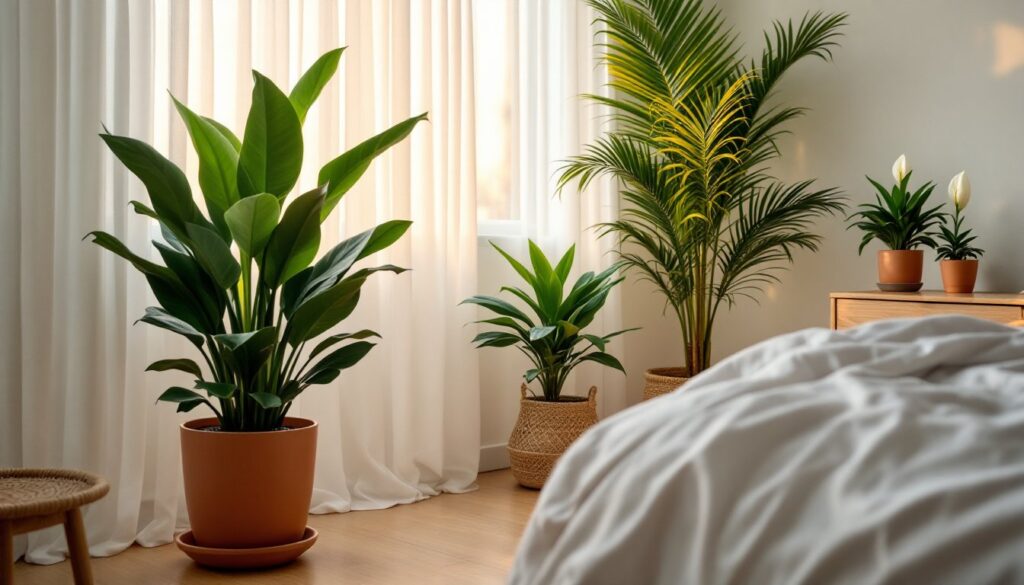
Most bedrooms spend eight hours a day sealed up with off-gassing furniture, dust mites, and stale air recycled through climate control. Indoor air can be two to five times more polluted than outdoor air, even in cities. Instead of running an electric purifier 24/7, certain houseplants actively pull toxins from the air and pump out fresh oxygen, especially at night when most plants typically shut down photosynthesis. This guide covers the best oxygen-producing, air-scrubbing plants proven to improve bedroom air quality, along with realistic care requirements that won’t turn you into a full-time plant babysitter.
Table of Contents
ToggleKey Takeaways
- Oxygen-producing air-purifying plants like snake plants and areca palms actively reduce volatile organic compounds (VOCs) from bedroom air and release fresh oxygen, especially during nighttime hours when you sleep.
- Snake plants are the gold standard for bedrooms as CAM plants that open stomata at night to absorb carbon dioxide and release oxygen, require minimal watering every 2-3 weeks, and tolerate low light conditions.
- Place at least one medium-to-large oxygen bedroom air-purifying plant per 100 square feet of floor space and distribute them throughout the room rather than clustering on a single nightstand for optimal air circulation.
- Peace lilies and areca palms are highly effective at filtering formaldehyde, benzene, and toluene, but require brighter indirect light and more consistent moisture than succulents.
- Combine oxygen-producing bedroom plants with practical ventilation habits like opening windows regularly, using MERV 11+ HVAC filters, and selecting low-VOC paints to achieve the best air quality results.
- Always verify toxicity warnings—peace lilies and aloe vera are toxic to pets and children if ingested—and place toxic plants on high shelves or use pet-safe alternatives like snake plants.
Why Your Bedroom Needs Air-Purifying Plants
Bedrooms accumulate volatile organic compounds (VOCs) from mattresses, carpet adhesives, painted walls, and particleboard furniture. Formaldehyde, benzene, and trichloroethylene are common offenders. These compounds irritate respiratory systems, disrupt sleep, and contribute to long-term health issues.
Plants tackle this problem through two mechanisms: they absorb airborne chemicals through their leaves and break them down via root-zone microbes, and they release oxygen through photosynthesis. Some species, particularly CAM (Crassulacean Acid Metabolism) plants, reverse the typical plant behavior and release oxygen at night, making them ideal for bedrooms.
The NASA Clean Air Study (1989) identified specific houseplants capable of filtering common indoor toxins. While the study’s scale has been debated, removing meaningful levels of pollutants requires several plants per room, subsequent research confirms that air-purifying houseplants can reduce VOC concentrations in enclosed spaces.
Beyond chemistry, plants increase humidity through transpiration, which helps combat dry indoor air from heating and cooling systems. This benefit is measurable: a medium-sized plant can release roughly 97% of the water it takes up, adding moisture to a room without a humidifier.
Safety note: Not all air-purifying plants are safe for kids or pets. Several varieties listed here (peace lily, aloe vera) contain compounds toxic if ingested. If you have curious toddlers or animals that chew on greenery, research pet-safe alternatives or place plants out of reach on high shelves or wall-mounted planters.
Top Oxygen-Producing Plants for Better Bedroom Air Quality
Snake Plant (Sansevieria)
Snake plant (also called mother-in-law’s tongue) is the gold standard for bedrooms. It’s a CAM plant, meaning it opens its stomata at night to absorb carbon dioxide and release oxygen, exactly when you’re sleeping. This nocturnal oxygen production makes it uniquely suited for enclosed spaces during off-hours.
Air-cleaning ability: Snake plants filter formaldehyde, xylene, toluene, and nitrogen oxides. NASA ranked Sansevieria among the top performers for removing these compounds.
Light requirements: Tolerates low light, but grows faster with indirect bright light. Place it within 3–5 feet of a window with sheer curtains, or use ambient room lighting if natural light is limited.
Watering: Every 2–3 weeks during warm months, less in winter. Overwatering is the primary killer, let the soil dry out completely between waterings. Use a well-draining potting mix (cactus/succulent blend works well).
Growth: Mature plants reach 2–4 feet tall. They’re slow growers, adding a few inches per year, and rarely need repotting. Variegated varieties (yellow-edged leaves) require slightly more light to maintain color.
Toxicity warning: Mildly toxic to cats and dogs if ingested. Symptoms include drooling and gastrointestinal upset. Keep out of reach if you have pets that nibble plants.
Areca Palm (Dypsis Lutescens)
Areca palm (also called butterfly palm or golden cane palm) is the workhorse for oxygen production. Studies show areca palms have among the highest transpiration rates of common houseplants, pumping significant moisture and oxygen into the air.
Air-cleaning ability: Effective against formaldehyde, xylene, and toluene. The large surface area of its feathery fronds provides more filtering capacity than compact plants.
Light requirements: Prefers bright, indirect light. An east-facing window is ideal. Low light causes leggy growth and yellowing fronds.
Watering: Keep soil consistently moist (not soggy) during growing season (spring through early fall). Water when the top inch of soil feels dry. Areca palms are sensitive to fluoride and salts in tap water, if leaf tips brown, switch to filtered or distilled water.
Growth: Can reach 6–7 feet indoors in a large pot. Plan for a floor plant with a 12–16 inch diameter container. Areca palms grow quickly compared to low-maintenance plants and may need repotting every 2–3 years.
Maintenance: Trim dead or brown fronds at the base with clean pruning shears. Mist leaves weekly in dry climates or homes with forced-air heating to prevent spider mites.
Peace Lily (Spathiphyllum)
Peace lilies offer a rare combination: excellent air purification, showy white blooms, and tolerance for lower light than most flowering plants. They topped NASA’s list for removing ammonia, benzene, and formaldehyde.
Air-cleaning ability: Peace lilies also filter alcohols and acetone, making them useful in bedrooms near attached bathrooms where cleaning products off-gas.
Light requirements: Thrives in low to medium indirect light. Direct sun scorches leaves. A north-facing window or a spot 6–8 feet from a bright window works well.
Watering: Peace lilies are dramatic, they visibly droop when thirsty, then perk up within hours of watering. Water when leaves begin to sag slightly (about once per week, depending on humidity). Use room-temperature water to avoid shocking roots.
Growth: Compact varieties stay under 18 inches: larger cultivars reach 3 feet. They bloom sporadically throughout the year if conditions are right, consistent moisture and occasional feeding with diluted liquid fertilizer (half strength, once a month during active growth).
Toxicity warning: Peace lilies contain calcium oxalate crystals. Highly toxic to cats, dogs, and children if ingested. Symptoms include oral irritation, drooling, and difficulty swallowing. This is not a plant for homes with curious pets or young kids unless placed completely out of reach.
Aloe Vera
Aloe vera pulls double duty: it filters formaldehyde and benzene while providing medicinal gel for minor burns and skin irritation. Like snake plants, aloe is a succulent that releases oxygen at night.
Air-cleaning ability: Particularly effective against chemicals found in paint and cleaning agents. Aloe also acts as an air quality indicator, brown spots on leaves signal excessive pollutants in the air.
Light requirements: Needs bright, indirect light for at least 6 hours daily. A south- or west-facing windowsill is ideal. Insufficient light causes the plant to stretch and weaken.
Watering: Every 2–3 weeks. Aloe stores water in its thick leaves and tolerates neglect better than overwatering. Use a terracotta pot with drainage holes, trapped moisture causes root rot quickly.
Growth: Mature plants reach 12–24 inches tall and produce offsets (pups) at the base, which can be separated and repotted. Aloe grows slowly and rarely needs repotting unless it becomes top-heavy.
Practical use: Snap off a lower leaf and squeeze out the clear gel for immediate treatment of kitchen burns or sunburn. The gel is antibacterial and accelerates healing. Don’t ingest the yellow latex layer just under the skin, it’s a laxative and can cause cramping.
Toxicity warning: The latex layer is toxic to pets. Keep aloe out of reach of cats and dogs.
How to Care for Bedroom Air-Purifying Plants
Placement matters. Don’t crowd plants on a single nightstand. Distribute them around the room for better air circulation. For meaningful air quality improvement, aim for at least one medium-to-large plant per 100 square feet of floor space.
Containers and drainage. Always use pots with drainage holes. Saucers catch overflow, but empty them 15–20 minutes after watering to prevent roots from sitting in standing water. Terracotta pots wick moisture away from soil faster than plastic, good for succulents and snake plants, but not ideal for moisture-loving species like areca palms.
Soil selection. Use potting mix formulated for the plant type. Succulents and snake plants need fast-draining cactus mix (often 50% perlite or sand). Tropical plants like peace lilies and areca palms prefer standard indoor potting soil with peat or coir for moisture retention. Don’t use garden soil indoors, it compacts, drains poorly, and may contain pests.
Watering technique. Water thoroughly until it drains from the bottom, then let soil dry to the appropriate level before watering again (see plant-specific guidance above). Inconsistent watering, letting plants go bone-dry, then flooding them, stresses roots and invites fungus gnats. Room-temperature water prevents shock: cold tap water can damage tropical species.
Light assessment. Use the hand shadow test: hold your hand 12 inches above the plant location at midday. A sharp, defined shadow indicates bright light. A soft, blurry shadow is medium light. No visible shadow means low light. Match plants to your actual conditions, not where you wish you had light.
Humidity and temperature. Most air-purifying plants tolerate typical bedroom temps (65–75°F). Avoid placing plants directly above heating vents or next to drafty windows. If humidity drops below 40% (common in winter), group plants together or set pots on trays filled with pebbles and water (bottom of pot above water line). As water evaporates, it raises local humidity.
Feeding schedule. Indoor plants in containers need occasional fertilizer, they can’t pull nutrients from the ground. Use a balanced liquid fertilizer (10-10-10 or similar) diluted to half the package strength, applied once a month during spring and summer. Skip feeding in fall and winter when growth slows. Overfertilizing causes salt buildup and leaf burn.
Cleaning leaves. Dust blocks light and clogs stomata (pores plants use to exchange gases). Wipe large leaves with a damp cloth monthly. For plants with many small leaves like areca palms, rinse them in the shower with lukewarm water every 6–8 weeks.
Pest management. Fungus gnats, spider mites, and mealybugs are common indoor pests. Fungus gnats indicate overwatering, let soil dry out more between waterings. Spider mites (tiny webs on leaf undersides) hate humidity: mist plants and wipe leaves with soapy water. Mealybugs (white cottony clusters) can be removed with rubbing alcohol on a cotton swab. For serious infestations, use insecticidal soap or neem oil per label instructions.
Safety gear. Wear gloves when handling plants if you have sensitive skin, especially with peace lilies and aloe (sap can irritate). When repotting, work in a ventilated area and consider a dust mask, potting mix can harbor mold spores.
Seasonal adjustments. Plants slow down in winter. Expect slower growth, less frequent watering needs, and occasional leaf drop. Don’t panic or overcompensate with extra water or fertilizer. Resume normal care routines when daylight hours increase in spring.
Monitoring air quality. While plants improve air quality, they’re not a substitute for proper ventilation. Open bedroom windows when weather permits, run exhaust fans after showering, and address sources of VOCs (choose low-VOC paints, avoid particleboard furniture when possible). Combining houseplants with good ventilation practices gives the best results. For broader home improvement strategies, consider whole-house air quality upgrades like HVAC filters rated MERV 11 or higher.
Plants won’t fix severe mold, radon, or carbon monoxide issues, those require professional remediation and testing. But for everyday air quality maintenance, a handful of well-chosen, properly maintained plants can noticeably improve the air you breathe while you sleep.