Adding greenery to a bathroom can feel like a gamble, especially when the room has one narrow window or no natural light at all. But low-light conditions don’t mean you’re stuck with plastic ferns. Several hardy, attractive plants actually thrive in the humid, dim environment bathrooms provide. This guide walks through why bathrooms suit certain species, highlights the top performers for minimal light, and covers the care basics to keep them looking sharp. No complicated grow lights or constant fussing required, just practical plant choices that work.
Table of Contents
ToggleKey Takeaways
- Bathrooms offer ideal conditions for low-light plants due to high humidity, temperature stability, and minimal light requirements that mimic tropical understory habitats.
- Snake plant, pothos, ZZ plant, and peace lily are the best bathroom plants for low light, each requiring minimal watering and tolerating neglect better than most houseplants.
- Overwatering is the primary threat to low-light bathroom plants—let soil dry between waterings since high humidity slows evaporation significantly.
- Completely windowless bathrooms require a timer-controlled LED grow light (20–40 watts, 5000K–6500K spectrum) positioned within two to three feet of plants for at least six hours daily.
- All recommended low-light bathroom plants are toxic if ingested, so position them on high shelves, hanging planters, or inaccessible areas away from pets and children.
- Regular leaf cleaning, proper drainage holes in pots, and minimal fertilizer during growing season keep bathroom greenery healthy without extra maintenance effort.
Why Bathrooms Are Ideal for Low-Light Plants
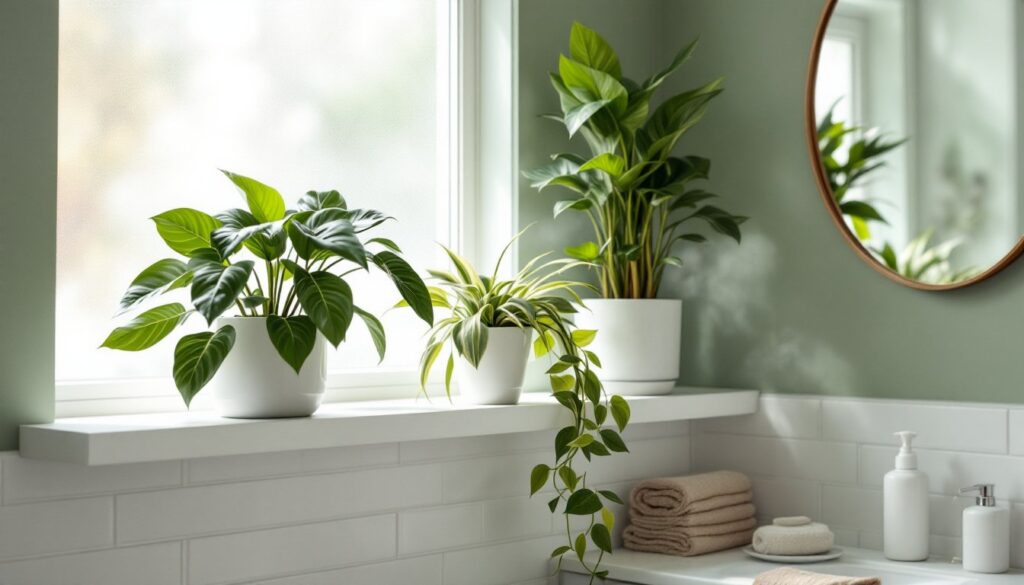
Bathrooms offer a microclimate that mimics the natural habitat of many tropical understory plants. High humidity from showers and baths means less frequent watering and healthier foliage for species that would struggle in drier rooms. Most bathroom plants tolerate or even prefer indirect light, which makes them perfect candidates for spaces with small windows, frosted glass, or north-facing exposures.
Temperature stability is another advantage. Bathrooms typically stay warmer and more consistent than other rooms, avoiding the drafts or cold snaps that stress houseplants. As long as the room has some air circulation, an exhaust fan or occasionally cracked window, you won’t deal with stagnant air or mold issues on the soil surface.
Low-light plants have adapted to survive on the forest floor, where direct sun rarely penetrates. They’ve evolved to photosynthesize efficiently with minimal brightness, so they won’t stretch or fade in a bathroom that receives only ambient or artificial light. Pairing the right species with your bathroom’s specific conditions, humidity, temperature, and light level, sets you up for success without constant intervention.
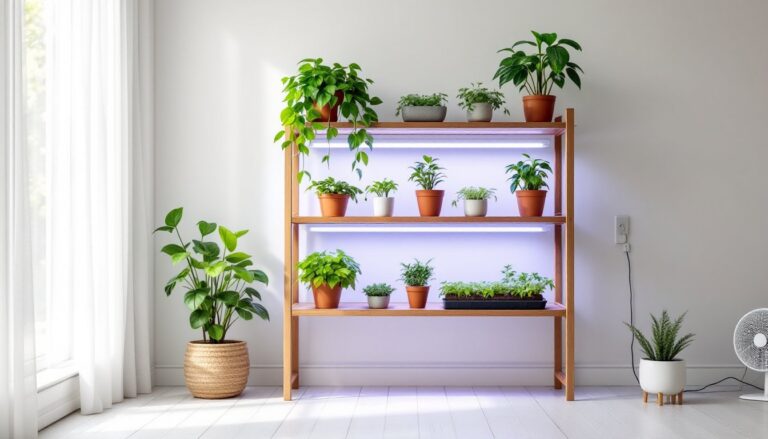
One note: “low light” doesn’t mean no light. Even shade-tolerant plants need some ambient brightness to maintain growth. A completely windowless bathroom will require a timer-controlled LED grow bulb (around 20–40 watts, 5000K–6500K spectrum) positioned within two to three feet of the plant for at least six hours daily. Skip the incandescent bulbs, they generate heat without enough usable spectrum.
Top Low-Light Plants That Thrive in Bathrooms
The following species have proven track records in low-light, high-humidity environments. They tolerate occasional neglect, recover from overwatering better than most, and require minimal pruning or feeding. Each has distinct care quirks, but all share a reputation for reliability in bathroom conditions.
Snake Plant (Sansevieria)
Snake plant (also called Sansevieria trifasciata or mother-in-law’s tongue) tops the list for sheer toughness. Its thick, upright leaves store water, so it tolerates irregular watering and low humidity, though it appreciates the moisture bathrooms provide. The plant photosynthesizes efficiently in low light, and some interior design trends showcase it in modern bathrooms for its clean, vertical lines.
Snake plants are near-indestructible. They’ll survive in a corner with only indirect light from a hallway or skylight. Overwatering is the main failure point: the roots rot quickly in soggy soil. Use a well-draining cactus or succulent mix and let the top two inches of soil dry completely between waterings. In a humid bathroom, that might mean watering once every three to four weeks.
Varieties like Sansevieria cylindrica (cylindrical snake plant) or Sansevieria ‘Laurentii’ (with yellow leaf margins) add visual interest without extra care. All snake plants are mildly toxic if ingested, so keep them out of reach if kids or pets frequent the bathroom.
Pothos
Pothos (Epipremnum aureum) is a trailing vine with heart-shaped leaves that tolerate everything from bright indirect light to near-darkness. It’s one of the fastest-growing houseplants, so you’ll see new leaves even in a dim bathroom. Pothos thrives in humidity and can be grown in water alone, root cuttings in a vase on the vanity and they’ll survive indefinitely with occasional water changes.
The plant’s flexibility makes it ideal for shelves, hanging baskets, or training along a mirror frame. It’ll adapt to whatever light is available, though variegated varieties (golden pothos, marble queen) may lose some color intensity in very low light. Solid green varieties like jade pothos retain their hue better in dim conditions.
Water when the top inch of soil feels dry. Pothos signals underwatering by drooping slightly, give it a drink and it perks up within hours. Root rot from overwatering is possible but less common than with other species. Trim back leggy vines with clean pruning shears to encourage bushier growth. Pothos is toxic to pets and humans if ingested, so position it accordingly.
ZZ Plant (Zamioculcas Zamiifolia)
ZZ plant is the gold standard for neglect tolerance. Its thick, waxy leaves and underground rhizomes store water, allowing it to survive weeks without irrigation. ZZ plants handle low light better than almost any other houseplant and remain glossy and upright even in a windowless bathroom with artificial light.
The plant grows slowly, which is an advantage in small bathrooms, you won’t be pruning or repotting frequently. It’s also pest-resistant and rarely suffers from fungal issues, even in high humidity. The main care requirement is infrequent watering: let the soil dry out completely between waterings, which might mean once a month or less in a bathroom.
ZZ plants prefer well-draining potting mix and a container with drainage holes. Standing water will rot the rhizomes quickly. Wipe the leaves with a damp cloth every few weeks to remove dust and maintain their natural shine. The plant’s sap can cause skin irritation in some people, so wear gloves when handling or pruning. It’s also toxic if ingested.
Peace Lily
The peace lily (Spathiphyllum) is the only flowering plant on this list that thrives in low light. Its white spathes (modified leaves that surround the true flower) add elegance to a bathroom, and the plant actively filters airborne toxins like formaldehyde and benzene, a nice bonus in spaces with cleaning products.
Peace lilies are humidity lovers and will reward bathroom conditions with lush, dark green foliage. They prefer consistently moist soil but are forgiving if you forget to water, the plant will droop dramatically when thirsty and recover within hours of watering. This visible feedback makes it beginner-friendly. Applying mulch or organic material to garden beds and planters helps retain moisture, though peace lilies in bathrooms rarely need that extra step.
Use a standard potting mix with good drainage and water when the top half-inch feels dry. Peace lilies can tolerate low light but will bloom more readily with medium indirect light, if your bathroom has a window, position the plant within a few feet for best results. Yellowing leaves usually indicate overwatering or tap water high in chlorine or fluoride: switch to filtered or distilled water if this occurs. The plant is toxic to pets and humans if ingested, and sap contact can irritate skin.
Caring for Your Bathroom Plants
Even low-maintenance plants need occasional attention. The following practices keep bathroom greenery healthy without adding extra chores to the routine.
Watering: High humidity slows evaporation, so bathroom plants typically need less frequent watering than those in living rooms or bedrooms. Check soil moisture by sticking a finger one to two inches below the surface, if it’s damp, wait. Overwatering is the number-one killer of houseplants. Use room-temperature water and avoid soaking the leaves, which can encourage fungal spots in humid environments.
Light assessment: Spend a few days observing your bathroom’s light levels. If you can read a book comfortably without artificial light during midday, that’s sufficient for low-light plants. If the room feels dim even at noon, add a small LED grow light on a timer. Position plants within three to five feet of the light source for best results.
Soil and drainage: All the plants listed above require well-draining potting mix. Standard houseplant soil works, but adding perlite or coarse sand (about 20% by volume) improves drainage. Always use pots with drainage holes and empty saucers after watering to prevent root rot. If you’re using decorative cachepots without drainage, place the plant in a plastic nursery pot inside the cachepot and remove it to water over a sink.
Cleaning and maintenance: Dust buildup on leaves reduces photosynthesis efficiency. Wipe foliage with a damp microfiber cloth monthly, or take plants into the shower and rinse them under lukewarm water. Prune dead or yellowing leaves with clean scissors or pruning shears to keep plants looking tidy and prevent pest harborage.
Fertilizing: Low-light plants grow slowly and don’t need aggressive feeding. Use a balanced liquid fertilizer (10-10-10 or 20-20-20 NPK) diluted to half strength once every two to three months during spring and summer. Skip fertilizer in fall and winter when growth slows. Overfertilizing causes salt buildup in the soil, which can burn roots.
Pest prevention: Bathrooms are less prone to pests than other rooms, but fungus gnats can appear if soil stays too wet. Allow the top layer to dry between waterings and consider a thin layer of sand on the soil surface to deter egg-laying. If you notice webbing, sticky residue, or visible insects, isolate the affected plant immediately. Spray with insecticidal soap or neem oil, following label directions, and increase air circulation in the bathroom.
Repotting: Most of these plants are slow growers and won’t need repotting more than once every two to three years. Signs it’s time include roots growing through drainage holes, water running straight through without absorbing, or the plant becoming top-heavy. Repot in spring using a container one to two inches larger in diameter than the current pot. Don’t upsize too aggressively, excess soil retains moisture and increases rot risk.
Safety note: All the plants listed contain compounds that are toxic if ingested by pets or children. Keep them on high shelves, in hanging planters, or in bathrooms that aren’t frequently accessed by curious animals or toddlers. If you need truly pet-safe options, consider spider plants, Boston ferns, or parlor palms, all tolerate low light and bathroom humidity without posing toxicity risks.
By matching plant selection to your bathroom’s specific light and humidity conditions, you’ll create a low-maintenance green space that feels more finished and inviting. With the DIY home improvements trend continuing to grow, adding live plants is one of the easiest upgrades that delivers both aesthetic and air-quality benefits without requiring permits, contractors, or major expense.