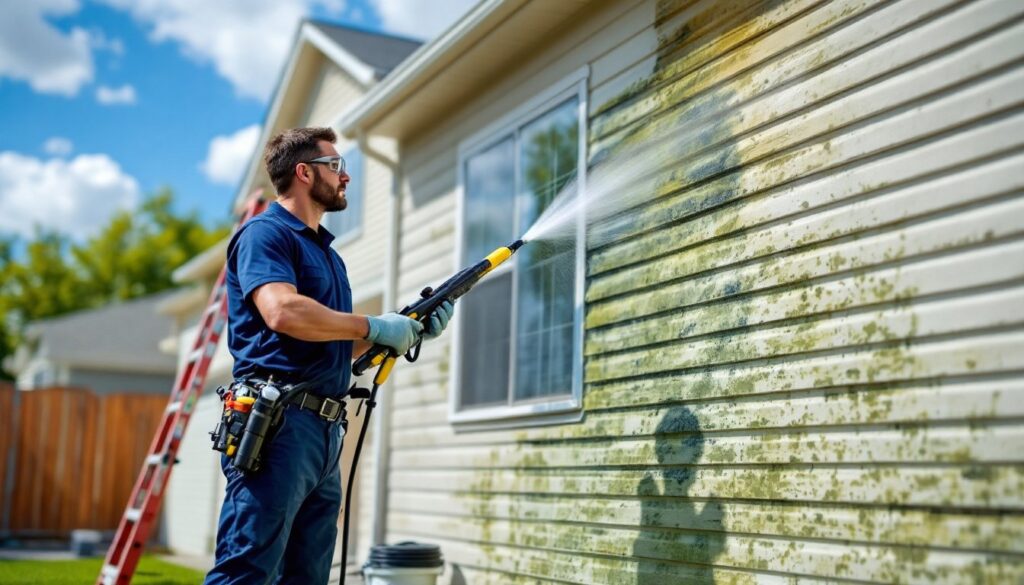
Pressure washing transforms a grimy, weathered exterior into something that looks nearly new, but before you fire up a washer or call a pro, you need a realistic budget. Prices swing wildly based on house size, siding type, regional labor rates, and whether you’re renting equipment or hiring a crew. In 2026, homeowners can expect to pay anywhere from $100 for a small single-story job to over $700 for a large two-story home with significant grime buildup. This guide breaks down the numbers, the variables that drive costs, and the smartest ways to keep your wallet happy while your house sparkles.
Table of Contents
ToggleKey Takeaways
- The average cost of pressure washing a house in 2026 ranges from $100 for small single-story homes to $700+ for large two-story properties, with a national average of $310.
- Professional contractors typically charge $0.15–$0.75 per square foot, making house size and story count the primary cost drivers—two-story homes may cost 20–30% more due to added labor and safety requirements.
- Delicate materials like wood siding, cedar shakes, and stucco require specialized soft-wash techniques and lower pressure, resulting in higher costs than durable vinyl or brick.
- Renting a pressure washer costs $50–$130 per day for DIY work, making ownership a cost-effective option if you plan annual cleaning projects on multiple surfaces.
- Regional location significantly impacts pricing, with Northeast and West Coast services costing $350–$500 compared to $200–$300 in the Midwest and South.
- Bundle multiple services like driveway and deck cleaning, book during off-season months, or perform spot-cleaning yourself to save 10–15% on professional pressure washing costs.
What Does Pressure Washing a House Cost on Average?
The national average for professional pressure washing sits around $310 in 2026, according to recent cost data. But that figure is just a starting point, actual quotes range from $100 for a compact one-story home to $700 or more for a large two-story with significant algae, mildew, or staining.
Most contractors price by square footage, charging between $0.15 and $0.75 per square foot of exterior surface. A typical 1,500-square-foot single-story ranch might run $200–$300, while a 2,500-square-foot two-story colonial pushes closer to $400–$600. Some pros quote a flat rate for the whole job, especially on smaller homes where measuring every wall eats up time.
A few contractors bill hourly, expect $50 to $100 per hour depending on region and crew size. Hourly rates make sense if you’re only washing a deck, driveway, or single accent wall, but for whole-house jobs, per-square-foot pricing is more predictable.
Add-ons bump the total. Washing second-story siding, stubborn mold removal, or delicate surfaces like wood shingles or stucco often carry surcharges. Gutter cleaning, window washing, or treating a deck or fence can add $50–$200 to the invoice.
Factors That Affect Pressure Washing Costs
House Size and Square Footage
Square footage is the biggest lever on your final bill. A 1,000-square-foot bungalow might cost $150–$250, while a 3,000-square-foot two-story can hit $500–$750. Contractors measure the exterior wall area, not the interior footprint, so a house with complex rooflines, dormers, or bay windows has more surface to clean than a simple box of the same square footage.
Story count matters too. Single-story homes are faster and safer to wash, keeping labor costs down. Two-story homes require ladders, scaffolding, or extension wands, which add time and risk. Some crews charge a 20–30% premium for second-story work.
Material Type and Condition
Vinyl siding is the easiest and cheapest to pressure wash, it tolerates higher PSI (around 2,500–3,000) and cleans fast. Expect the lower end of the per-square-foot range.
Brick and concrete handle pressure well but often need pre-treatment for mildew or efflorescence, pushing costs toward the middle or upper range.
Wood siding, cedar shakes, and stucco require lower pressure (1,200–1,500 PSI) and sometimes a soft-wash technique using detergent and gentle spray. Pros charge more for delicate materials because the work is slower and riskier, too much pressure damages soft wood or cracks stucco.
Painted surfaces in poor condition need care. If the paint is peeling or chalky, aggressive washing can strip it off, turning a cleaning job into a prep-for-repainting project. Let the contractor know upfront if your siding is tired.
Heavy staining, algae, mildew, rust, or oil, adds labor and chemical costs. Some pros charge extra for pre-treatment or multiple passes.
Regional Price Differences
Labor rates swing hard by region. Homeowners in the Northeast and West Coast often pay $350–$500 for jobs that cost $200–$300 in the Midwest or South. Urban areas with higher cost of living see higher hourly rates and minimum service fees. Rural or suburban markets tend to be more competitive, especially if multiple contractors service the area.
Seasonal demand plays a role too. Spring and early summer are peak months, contractors stay busy, and prices inch up. Late fall bookings (before winter mold sets in) or mid-summer lulls sometimes yield discounts.
DIY vs. Professional Pressure Washing: Cost Comparison
Renting a gas-powered pressure washer costs $50–$100 per day from most tool rental centers. Add $10–$30 for detergent or mildewcide, and you’re looking at $60–$130 for a single-day DIY job. If you finish in half a day, return it early and save a few bucks, some shops prorate by the hour.
Buying a consumer-grade electric pressure washer runs $150–$300. Gas models with higher GPM (gallons per minute) and PSI range from $300–$600. If you plan to wash your house, deck, driveway, and patio annually, ownership pays off in two to three seasons.
Time investment is real. A first-timer can spend four to eight hours on a typical two-story house, including setup, washing, and cleanup. Pros finish the same job in two to four hours thanks to commercial equipment (higher GPM) and experience reading surfaces.
Safety and risk are the wild cards. Pressure washers deliver enough force to slice skin, shatter windows, or drive water behind siding and cause rot. Ladder work on a wet, slippery surface is where weekend warriors end up in the ER. If you’re comfortable on a ladder, know how to adjust PSI and nozzle tips (25° for siding, 40° for windows), and don’t mind a few hours of physical work, DIY saves money.
If your house is two stories, the siding is delicate, or you’re short on time, hiring a pro is worth the premium. You’re paying for speed, insurance, and the peace of mind that comes from someone who won’t accidentally blast a hole in your sheathing.
How to Save Money on Pressure Washing Your Home
Bundle services. If you’re washing the house, ask for a quote that includes the driveway, deck, or fence. Most contractors discount multi-surface jobs because they’re already on-site with equipment running. Platforms like HomeAdvisor and ImproveNet make it easy to compare bundled quotes from local pros.
Book off-season. Late fall or early spring (before the spring rush) often brings lower rates and more availability. Some contractors offer 10–15% discounts to fill slow weeks.
Do your own prep. Move patio furniture, close windows, cover outdoor outlets, and trim back overgrown bushes. Contractors charge by the hour, and every minute spent moving your stuff is a minute you’re paying for.
Spot-clean problem areas yourself. If only one side of the house is badly stained (the north-facing wall where sun never hits), hire a pro for that section and DIY the rest with a rented washer.
Get multiple quotes. Three quotes is the sweet spot. The lowest bid isn’t always the best, ask about insurance, equipment type (commercial units clean faster), and whether the quote includes detergent and pre-treatment.
DIY the easy stuff. Single-story vinyl siding is beginner-friendly. Rent a washer, use a 25° nozzle, keep the tip 12–18 inches from the surface, and work in horizontal passes from top to bottom. Avoid aiming upward under siding seams, water intrusion causes mold and rot.
Maintain regularly. Washing every 18–24 months prevents heavy buildup that requires chemical treatments or multiple passes. A quick annual rinse with a garden hose and a soft brush keeps mildew from taking hold, stretching the time between deep cleans.